

Ensuring the Net Positive Suction Head (NPSH) of a power station feed pump is crucial for the efficient and reliable operation of a power plant. As a leading supplier of Power Station Feed Pumps, we understand the significance of NPSH and have extensive experience in helping power plants optimize this critical parameter. In this blog post, we will explore the key factors that affect NPSH and provide practical strategies to ensure its proper maintenance.
Understanding Net Positive Suction Head (NPSH)
Net Positive Suction Head is the difference between the absolute pressure at the pump suction and the vapor pressure of the liquid at the pumping temperature. It represents the margin available to prevent cavitation, a phenomenon that occurs when the pressure at the pump suction drops below the vapor pressure of the liquid, causing the formation and subsequent collapse of vapor bubbles. Cavitation can lead to severe damage to the pump impeller, casing, and other components, resulting in reduced pump efficiency, increased maintenance costs, and even system failures.
Factors Affecting NPSH
Several factors can influence the NPSH of a power station feed pump. Understanding these factors is essential for implementing effective strategies to ensure adequate NPSH.
1. Static Head
The static head is the vertical distance between the liquid level in the suction tank and the centerline of the pump suction. A higher static head provides more pressure at the pump suction, increasing the NPSH. Therefore, it is important to maintain an appropriate liquid level in the suction tank to ensure sufficient static head.
2. Friction Losses
Friction losses occur as the liquid flows through the suction piping, valves, and fittings. These losses reduce the pressure at the pump suction, thereby decreasing the NPSH. To minimize friction losses, it is recommended to use large-diameter pipes, smooth pipe interiors, and minimize the number of bends, valves, and fittings in the suction line.
3. Vapor Pressure of the Liquid
The vapor pressure of the liquid is a function of its temperature. As the temperature increases, the vapor pressure also increases, reducing the NPSH available. Therefore, it is crucial to control the temperature of the liquid in the suction tank to prevent excessive vaporization.
4. Pump Speed
The pump speed affects the NPSH requirement. Higher pump speeds generally require a higher NPSH. Therefore, it is important to select a pump with an appropriate speed based on the system requirements to ensure adequate NPSH.
Strategies to Ensure NPSH
Based on the factors affecting NPSH, we recommend the following strategies to ensure the proper NPSH of a power station feed pump:
1. Optimize the Suction System Design
- Proper Pipe Sizing: Select the appropriate pipe diameter to minimize friction losses. A larger pipe diameter reduces the velocity of the liquid, resulting in lower friction losses.
- Minimize Pipe Length and Fittings: Keep the suction piping as short as possible and minimize the number of bends, valves, and fittings. This reduces the friction losses and improves the NPSH.
- Avoid Pipe Restrictions: Ensure that there are no restrictions in the suction piping, such as blockages or partially closed valves. These restrictions can significantly increase the friction losses and reduce the NPSH.
2. Maintain an Adequate Liquid Level in the Suction Tank
- Level Control: Install a reliable level control system to maintain a constant liquid level in the suction tank. This ensures a consistent static head and helps to prevent cavitation.
- Reservoir Capacity: Ensure that the suction tank has sufficient capacity to provide a stable supply of liquid to the pump. A larger reservoir capacity helps to buffer any fluctuations in the liquid level and reduces the risk of cavitation.
3. Control the Liquid Temperature
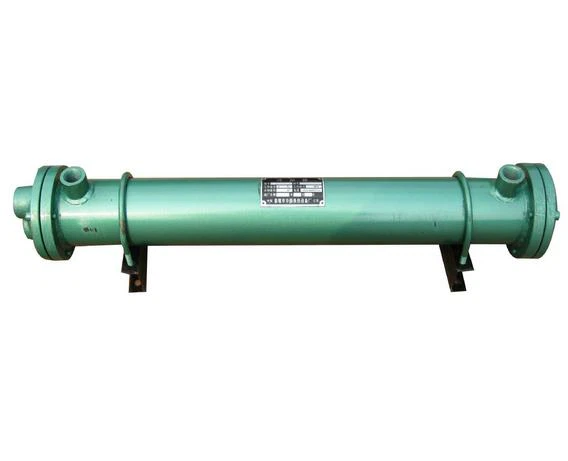
- Cooling System: Install a cooling system, such as a Power Station Oil Cooler, to maintain the liquid temperature within the acceptable range. This helps to reduce the vapor pressure of the liquid and increases the NPSH.
- Insulation: Insulate the suction piping and the suction tank to minimize heat transfer from the surroundings. This helps to maintain a stable liquid temperature and reduces the risk of vaporization.
4. Select the Right Pump
- NPSH Requirement: When selecting a pump, consider its NPSH requirement. Choose a pump with a lower NPSH requirement to ensure that it can operate safely and efficiently under the given system conditions.
- Pump Efficiency: Select a pump with high efficiency to reduce the power consumption and operating costs. A more efficient pump generally requires a lower NPSH, which can help to improve the overall system performance.
5. Regular Maintenance and Monitoring
- Inspection and Cleaning: Regularly inspect and clean the suction piping, valves, and fittings to remove any debris or deposits that may cause blockages or increase the friction losses.
- NPSH Monitoring: Install a NPSH monitoring system to continuously monitor the NPSH of the pump. This allows for early detection of any potential problems and enables timely corrective actions to be taken.
Importance of Working with a Reliable Supplier
As a Power Station Feed Pump supplier, we have the expertise and experience to provide comprehensive solutions for ensuring the NPSH of your power station feed pump. We offer a wide range of high-quality pumps, Power Station Oil Pumps, and Power Station HP and LP Heaters that are designed to meet the specific requirements of your power plant. Our team of engineers can work closely with you to design, install, and commission a customized pumping system that ensures optimal NPSH and reliable operation.
Conclusion
Ensuring the NPSH of a power station feed pump is essential for the efficient and reliable operation of a power plant. By understanding the factors affecting NPSH and implementing the strategies outlined in this blog post, you can minimize the risk of cavitation and ensure the long-term performance of your pumping system. If you have any questions or need further assistance with your power station feed pump, please do not hesitate to contact us. We are committed to providing you with the best solutions and support to meet your needs.
References
- Pump Handbook, Karassik et al.
- Power Plant Engineering, Nayak and Sukhatme.
- Fluid Mechanics and Hydraulic Machines, R.K. Bansal.


