

Hydro power is a well - recognized renewable energy source, and the Hydro Power Runner is at the heart of many hydroelectric plants. It plays a crucial role in converting the kinetic energy of water into mechanical energy, which is then transformed into electrical energy. However, one of the significant challenges in hydro power generation is dealing with low - water seasons. As a Hydro Power Runner supplier, I have had the opportunity to closely observe and analyze how these runners perform under such adverse conditions.
Understanding the Basics of Hydro Power Runners
Before delving into their performance during low - water seasons, it is essential to understand what a Hydro Power Runner is. A Hydro Power Runner is a key component in a hydroelectric turbine. It consists of a set of blades that are designed to efficiently capture the energy of flowing water. When water flows through the runner, it causes the blades to rotate, and this rotational motion is used to drive a generator.
The design of a Hydro Power Runner is highly optimized for specific operating conditions, including water flow rate, head (the vertical distance between the water source and the turbine), and water quality. These factors are carefully considered during the design phase to ensure maximum efficiency and durability of the runner.
Challenges in Low - Water Seasons
During low - water seasons, several challenges arise that can significantly impact the performance of a Hydro Power Runner. The most obvious challenge is the reduced water flow rate. With less water available, the runner cannot receive the same amount of energy input as it would during normal or high - water periods. This directly affects the power output of the hydroelectric plant.
Another challenge is the change in the water's flow pattern. In low - water conditions, the water may flow in a more turbulent or uneven manner. This can cause uneven loading on the runner blades, leading to increased stress and potential damage over time. Additionally, the reduced water level may lead to air ingestion into the turbine, which can cause cavitation. Cavitation is a phenomenon where vapor bubbles form and collapse near the runner blades, resulting in pitting and erosion of the blade surface, and ultimately reducing the runner's efficiency and lifespan.
Performance Metrics in Low - Water Seasons
When evaluating the performance of a Hydro Power Runner during low - water seasons, several metrics are important. The first is power output. As mentioned earlier, the reduced water flow rate typically leads to a decrease in power generation. However, the extent of this decrease depends on the runner's design and its ability to operate efficiently at lower flow rates.

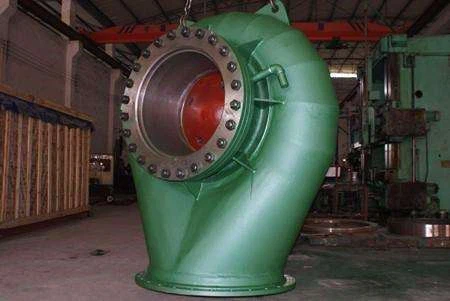
Efficiency is another crucial metric. A well - designed Hydro Power Runner should be able to maintain a relatively high efficiency even in low - water conditions. This requires careful design of the blade shape and the hydraulic passages to maximize the energy extraction from the limited water supply.
The stability of the runner is also a vital consideration. Turbulent water flow and uneven loading can cause vibrations in the runner. Excessive vibrations can lead to mechanical failures, such as blade cracks or bearing damage. Therefore, a runner's ability to remain stable under low - water conditions is essential for its long - term performance and reliability.
Factors Affecting Hydro Power Runner Performance in Low - Water Seasons
Several factors can influence how a Hydro Power Runner performs during low - water seasons. The runner's design is the most significant factor. Runners with a wider operating range and better - optimized blade profiles are more likely to perform well in low - water conditions. For example, some modern runners are designed with adjustable blades that can be optimized for different flow rates. This allows the runner to maintain a relatively high efficiency even when the water flow is low.
The quality of the water is also an important factor. In low - water seasons, the water may become more concentrated with sediment and other impurities. These can cause abrasion on the runner blades, reducing their efficiency and increasing the risk of damage. Therefore, proper water treatment systems are necessary to minimize the impact of water quality on the runner's performance.
The overall design and configuration of the hydroelectric plant can also affect the runner's performance. For example, the use of energy storage and control systems can help to mitigate the effects of low - water periods. An Energy Storage Hydraulic Control Slow Closing Check Butterfly Valve can be used to regulate the water flow and pressure, ensuring a more stable operation of the runner.
Strategies to Improve Performance in Low - Water Seasons
To improve the performance of Hydro Power Runners during low - water seasons, several strategies can be adopted. One approach is to retrofit existing runners with advanced technologies. For example, adding adjustable blades to a fixed - blade runner can significantly improve its performance at low flow rates. This allows the runner to adapt to the changing water conditions and maintain a higher efficiency.
Another strategy is to optimize the operation of the hydroelectric plant. This includes adjusting the water intake and discharge levels to ensure that the runner receives the maximum amount of energy from the available water. Additionally, implementing real - time monitoring and control systems can help to detect and address any issues that may arise during low - water periods, such as abnormal vibrations or cavitation.
The use of protective coatings on the runner blades can also help to improve their performance and durability. These coatings can reduce the impact of abrasion and cavitation, extending the lifespan of the blades and maintaining their efficiency.
The Role of Adjustable Pressure Relief Valves
In low - water seasons, the pressure in the hydroelectric system can fluctuate significantly. An Adjustable Pressure Relief Valve plays a crucial role in maintaining the stability of the system. This valve can be adjusted to release excess pressure when it exceeds a certain threshold, preventing damage to the runner and other components of the hydroelectric plant. By ensuring a stable pressure environment, the Adjustable Pressure Relief Valve helps the Hydro Power Runner to operate more efficiently and reliably during low - water seasons.
Conclusion
In conclusion, the performance of Hydro Power Runners during low - water seasons is a complex issue that is influenced by several factors. While low - water conditions present significant challenges, through proper design, operation, and the use of advanced technologies, it is possible to improve the runner's performance and maintain a relatively high level of power generation.
As a Hydro Power Runner supplier, we are committed to providing high - quality products and innovative solutions to our customers. Our Hydro Power Runners are designed with the latest technologies to ensure optimal performance in all conditions, including low - water seasons. If you are interested in learning more about our products or would like to discuss a potential procurement project, please feel free to contact us. We look forward to working with you to meet your hydro power generation needs.
References
- [Name of a book related to hydro power generation]
- [Research paper on the performance of hydro turbines in low - water conditions]
- [Industry report on hydro power plant operations during dry seasons]


