

Hey there! I'm a supplier of Power Station Oil Cooler, and today I wanna share some tips on how to optimize the performance of these coolers. As someone who's been in this business for quite a while, I've learned a thing or two about making these machines work their best.
First off, let's understand what a power station oil cooler does. It's a crucial piece of equipment that helps maintain the right temperature of the oil in a power station. Hot oil can cause all sorts of problems, like reduced efficiency, increased wear and tear on parts, and even potential breakdowns. So, keeping that oil cool is super important.
Regular Maintenance and Cleaning
One of the most basic but effective ways to optimize the performance of a power station oil cooler is through regular maintenance. Just like you'd take your car in for a tune - up, your oil cooler needs some TLC too.
Cleaning the cooler's surfaces is a must. Over time, dust, dirt, and debris can build up on the exterior and interior parts of the cooler. On the outside, a layer of grime can insulate the cooler, preventing it from dissipating heat effectively. You can use a soft brush or compressed air to gently remove the dirt.
Inside the cooler, there are tubes and passages where oil flows. These can get clogged with sludge and other contaminants. Regular flushing with a suitable cleaning agent can help keep these passageways clear. It's like cleaning the pipes in your house; if the water can flow freely, everything works better. And when the oil can flow smoothly through the cooler, it'll transfer heat more efficiently.
Monitoring and Controlling the Oil Flow Rate
The flow rate of the oil through the cooler is another key factor. If the oil is flowing too fast, it won't have enough time to transfer its heat to the cooling medium. On the other hand, if the flow is too slow, the oil might get too hot.
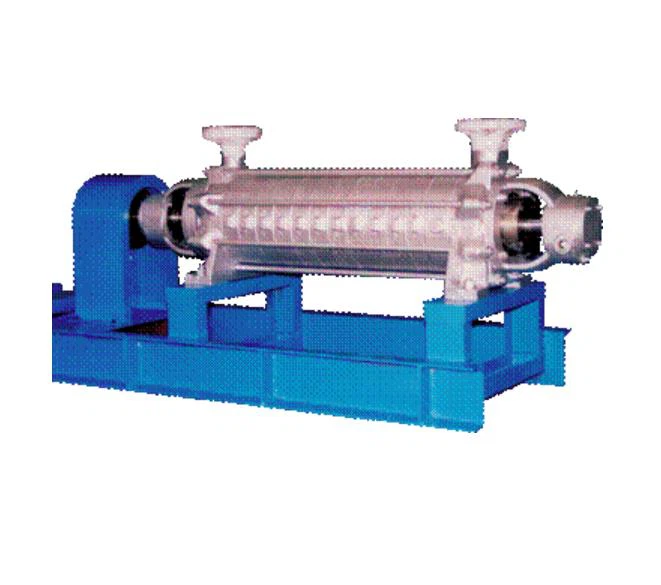
You should install flow meters to monitor the oil flow rate. This way, you can keep an eye on it and make adjustments as needed. If you notice that the flow rate is off, you can check for blockages in the pipes or problems with the Power Station Feed Pump. A faulty pump can cause inconsistent flow rates. Sometimes, just adjusting the pump settings or replacing a worn - out part can get the flow rate back to where it should be.
Proper Selection of Cooling Medium
The cooling medium is what helps absorb the heat from the oil. The most common cooling mediums are water and air. Each has its pros and cons.
Water is a great conductor of heat, which means it can absorb a large amount of heat quickly. However, it requires a reliable water supply and proper water treatment to prevent corrosion and scaling inside the cooler. If you're using water as a cooling medium, you need to make sure the water quality is up to par. You can use water treatment chemicals to minimize the buildup of scale and rust.
Air - cooled oil coolers are more convenient in some situations, especially in areas where water is scarce. The efficiency of an air - cooled cooler depends on the airflow around it. You need to make sure that there's enough space around the cooler for air to circulate freely. Blocked vents or fans that aren't working properly can reduce the cooling capacity.
Upgrading the Cooler Components
If you've been using the same oil cooler for a long time, it might be worth considering upgrading some of its components. Newer technologies can offer better performance and energy efficiency.
For example, you could replace the old heat exchanger with a more advanced one. A high - performance heat exchanger can transfer heat more effectively, which means the cooler can do its job better with less energy consumption. You can also look into upgrading the fans or pumps in the cooler. More efficient fans can move more air with less power, and better pumps can ensure a more stable oil flow.
Temperature Monitoring and Control
Accurate temperature monitoring is essential for optimizing the performance of a power station oil cooler. You should install temperature sensors at different points in the system, both at the inlet and outlet of the cooler.
These sensors can give you real - time information about the oil temperature. If the temperature is getting too high, you can take immediate action. This could involve increasing the flow rate of the cooling medium, adjusting the speed of the fans, or even shutting down the system temporarily to prevent damage. You can also set up an automated control system that adjusts the cooler's settings based on the temperature readings.
Compatibility with Other Power Station Equipment
A power station is a complex system, and the oil cooler needs to work well with other equipment, like the Power Station Condenser. The performance of one piece of equipment can affect the others.
For example, if the condenser is not working properly, it can cause an increase in the overall temperature of the power station, which in turn puts more strain on the oil cooler. You need to make sure that all the equipment in the power station is operating efficiently and that they're all compatible with each other in terms of temperature, pressure, and flow rate requirements.
Training the Operators
Last but not least, the people operating the power station and the oil cooler play a crucial role. They need to be properly trained to understand how the cooler works and how to optimize its performance.
Training should include topics like basic maintenance, troubleshooting common problems, and how to read and interpret the data from the sensors. When the operators are well - trained, they can spot potential issues early and take the right steps to keep the oil cooler running smoothly.
In conclusion, optimizing the performance of a power station oil cooler requires a combination of regular maintenance, proper monitoring, using the right cooling medium, upgrading components, and ensuring compatibility with other equipment. If you're having trouble with your oil cooler or if you're looking to upgrade to a more efficient model, feel free to reach out. We're here to help you get the best performance out of your equipment, and we can talk about your specific needs and how our Power Station Oil Cooler can fit the bill.

References
- Brown, J. (2018). Power Station Equipment Handbook. Publisher X.
- Green, A. (2020). Cooling Systems in Power Stations. Journal of Energy Engineering, 15(3).
- White, R. (2021). Maintenance Best Practices for Power Station Components. Industrial Maintenance Magazine.


