
As a supplier of Lithium Titanate Batteries (LTO), I understand that while these batteries offer numerous advantages, it's essential to be transparent about their potential disadvantages. In this blog, I'll delve into the drawbacks of Lithium Titanate Batteries to provide a comprehensive view for those considering using them.
High Initial Cost
One of the most significant disadvantages of Lithium Titanate Batteries is their relatively high initial cost. Compared to traditional lithium - ion batteries, the production of LTO batteries involves more complex processes and the use of specialized materials. The cost of raw materials such as lithium titanate itself can be quite high, and the manufacturing technology required to produce high - quality LTO cells is also more advanced and expensive.
This high cost can be a major deterrent for many potential customers, especially those in price - sensitive markets. For example, in consumer electronics, where cost is a critical factor in product competitiveness, the high price of LTO batteries may make them less attractive compared to other battery options. Even in large - scale energy storage projects, the initial investment required for LTO batteries can be a significant barrier, as project developers often need to balance the cost of the battery system with the overall project budget.
Lower Energy Density
Energy density is a crucial parameter for batteries, which refers to the amount of energy that can be stored in a given volume or mass. Lithium Titanate Batteries generally have a lower energy density compared to some other types of lithium - ion batteries, such as lithium - cobalt - oxide (LCO) or lithium - nickel - manganese - cobalt - oxide (NMC) batteries.
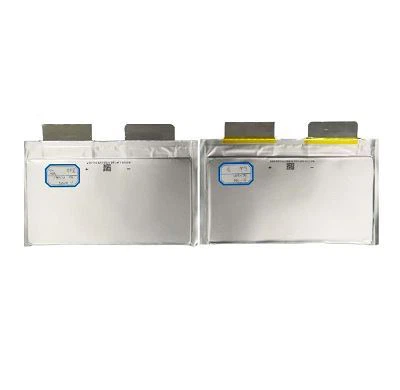

This lower energy density means that for a given energy storage requirement, LTO batteries will take up more space or be heavier. In applications where space and weight are at a premium, such as in electric vehicles or portable electronic devices, this can be a significant drawback. For instance, in an electric vehicle, a battery with lower energy density will require a larger battery pack to achieve the same driving range, which can increase the vehicle's weight and reduce its overall efficiency.
Limited Operating Temperature Range
Although Lithium Titanate Batteries are known for their good performance at low temperatures compared to some other lithium - ion batteries, they still have a limited operating temperature range. At extremely high temperatures, the performance of LTO batteries can degrade rapidly. High temperatures can cause the electrolyte in the battery to decompose, leading to a decrease in battery capacity and an increase in internal resistance.
On the other hand, at very low temperatures, the ionic conductivity in the battery decreases, which can also affect the battery's performance. The charge and discharge rates of LTO batteries may be significantly reduced at low temperatures, and in some cases, the battery may even stop working properly. This limited operating temperature range can restrict the use of LTO batteries in some harsh environments, such as in extremely cold or hot regions.
Self - Discharge Rate
Lithium Titanate Batteries have a relatively higher self - discharge rate compared to some other types of batteries. Self - discharge is the process by which a battery loses its charge over time when it is not in use. A higher self - discharge rate means that the battery will lose its stored energy more quickly when it is sitting idle.
This can be a problem in applications where the battery needs to be stored for long periods before use. For example, in emergency backup power systems, if the LTO battery has a high self - discharge rate, it may need to be recharged more frequently to ensure that it is ready for use when needed. This not only increases the maintenance cost but also requires a more complex charging management system.
Compatibility Issues
In some cases, Lithium Titanate Batteries may have compatibility issues with existing battery management systems (BMS) and charging infrastructure. The voltage characteristics of LTO batteries are different from those of other lithium - ion batteries. For example, the nominal voltage of an LTO battery cell is typically around 2.4V, while for a common lithium - ion battery cell, it is around 3.7V.
This difference in voltage can make it challenging to integrate LTO batteries into systems that are designed for other types of batteries. It may require the development of specialized BMS and charging equipment, which can increase the overall cost and complexity of the system. Moreover, in some applications where multiple battery types are used in a hybrid system, the compatibility issues can be even more pronounced.
Lack of Standardization
The Lithium Titanate Battery industry currently lacks a high degree of standardization. There are various cell designs, chemistries, and performance specifications in the market, which can make it difficult for customers to compare different products and make informed purchasing decisions.
For example, different manufacturers may use different production processes and materials for their LTO batteries, resulting in significant variations in battery performance and quality. This lack of standardization also makes it challenging for the industry to develop common testing methods and quality control standards, which can lead to inconsistent product quality and reliability.
Higher Self - Heating
During the charge and discharge process, Lithium Titanate Batteries can generate more heat compared to some other types of batteries. This self - heating can be a concern, especially in high - power applications where the battery is subjected to high charge and discharge rates.
Excessive self - heating can not only affect the battery's performance and lifespan but also pose a safety risk. To manage the heat generated by the battery, additional cooling systems may be required, which can increase the cost and complexity of the battery system. In addition, the self - heating can also cause thermal runaway in extreme cases, which is a dangerous situation where the battery's temperature rises uncontrollably, leading to potential fire or explosion.
Despite these disadvantages, it's important to note that Lithium Titanate Batteries also have many unique advantages, such as long cycle life, high safety, and fast charging capabilities. In some applications where these advantages outweigh the disadvantages, LTO batteries can still be an excellent choice.
If you are interested in learning more about our Lithium Titanate Batteries, such as our Lithium Titanate Battery Single Cell Model LTT95 and Lithium Titanate Battery Single Cell Model LTT75, or if you have any questions regarding the suitability of our products for your specific application, please feel free to contact us for a detailed discussion and potential procurement negotiation. We are committed to providing you with the best battery solutions tailored to your needs.
References
- Arora, P., & Zhang, J. (2004). Battery separators. Chemical Reviews, 104(10), 4419 - 4462.
- Goodenough, J. B., & Kim, Y. (2010). Challenges for rechargeable Li batteries. Chemistry of Materials, 22(3), 587 - 603.
- Tarascon, J. M., & Armand, M. (2001). Issues and challenges facing rechargeable lithium batteries. Nature, 414(6861), 359 - 3 - 67.
