

Hey there! As a supplier of Power Station Feed Pumps, I've seen firsthand how crucial it is to regulate the flow of these pumps accurately. In this blog, I'll share some tips and tricks on how to do just that.
First off, let's understand why accurate flow regulation is so important. A power station feed pump is responsible for supplying water to the boiler at the right pressure and flow rate. If the flow is too high, it can cause excessive wear and tear on the pump and other components, leading to costly repairs and downtime. On the other hand, if the flow is too low, it can result in insufficient water supply to the boiler, which can affect the overall efficiency and performance of the power station.
So, how do we regulate the flow of a power station feed pump accurately? Well, there are several methods and techniques that can be used, and I'll go over some of the most common ones below.
1. Throttle Valves
Throttle valves are one of the simplest and most commonly used methods for regulating the flow of a pump. These valves work by restricting the flow of fluid through the pipeline, which in turn reduces the flow rate of the pump. By adjusting the position of the throttle valve, you can control the amount of fluid that passes through the pump and into the boiler.
However, it's important to note that throttle valves can cause a significant pressure drop across the valve, which can reduce the efficiency of the pump. Additionally, if the valve is not properly sized or adjusted, it can cause cavitation, which is a phenomenon where bubbles form in the fluid due to low pressure. Cavitation can damage the pump and other components, so it's important to use throttle valves carefully and make sure they are properly maintained.
2. Variable Frequency Drives (VFDs)
Variable frequency drives, or VFDs, are another popular method for regulating the flow of a pump. These devices work by adjusting the speed of the pump motor, which in turn changes the flow rate of the pump. By varying the frequency of the electrical power supplied to the motor, the VFD can control the speed of the pump and adjust the flow rate as needed.
One of the main advantages of using VFDs is that they can significantly improve the efficiency of the pump. By reducing the speed of the pump when less flow is required, the VFD can save energy and reduce operating costs. Additionally, VFDs can provide more precise control over the flow rate of the pump, which can improve the overall performance of the power station.
However, VFDs can be more expensive than throttle valves, and they require more complex installation and maintenance. Additionally, if the VFD is not properly sized or programmed, it can cause problems with the pump motor, such as overheating or premature failure.
3. Bypass Lines
Bypass lines are another method for regulating the flow of a pump. These lines work by diverting a portion of the fluid from the pump discharge back to the pump suction. By adjusting the flow rate through the bypass line, you can control the amount of fluid that is delivered to the boiler and regulate the flow rate of the pump.
One of the main advantages of using bypass lines is that they can provide a simple and cost-effective way to regulate the flow of a pump. Additionally, bypass lines can help to prevent cavitation by maintaining a minimum flow rate through the pump.
However, bypass lines can also reduce the efficiency of the pump by wasting energy. Additionally, if the bypass line is not properly sized or adjusted, it can cause problems with the pump performance, such as reduced head or flow rate.
4. Pump Speed Control
In addition to using VFDs, pump speed can also be controlled using other methods, such as hydraulic couplings or eddy current clutches. These devices work by adjusting the speed of the pump motor without changing the frequency of the electrical power supplied to the motor.
One of the main advantages of using hydraulic couplings or eddy current clutches is that they can provide a simple and cost-effective way to control the speed of the pump. Additionally, these devices can be used with existing pump motors, which can save on the cost of replacing the motor.
However, hydraulic couplings and eddy current clutches can be less efficient than VFDs, and they may require more maintenance. Additionally, if these devices are not properly sized or adjusted, they can cause problems with the pump performance, such as reduced head or flow rate.
5. Monitoring and Control Systems
Finally, it's important to have a monitoring and control system in place to ensure that the flow of the power station feed pump is regulated accurately. These systems can include sensors, controllers, and software that can monitor the flow rate, pressure, and other parameters of the pump and adjust the flow rate as needed.
One of the main advantages of using a monitoring and control system is that it can provide real-time feedback on the performance of the pump. This can help to identify problems early on and prevent costly repairs and downtime. Additionally, monitoring and control systems can be programmed to adjust the flow rate automatically based on the needs of the power station, which can improve the overall efficiency and performance of the system.
However, monitoring and control systems can be more expensive than other methods of flow regulation, and they require more complex installation and maintenance. Additionally, if the system is not properly calibrated or programmed, it can cause problems with the pump performance, such as inaccurate flow rate control.
Conclusion
In conclusion, regulating the flow of a power station feed pump accurately is crucial for the efficient and reliable operation of a power station. There are several methods and techniques that can be used to regulate the flow of a pump, including throttle valves, variable frequency drives, bypass lines, pump speed control, and monitoring and control systems. Each method has its own advantages and disadvantages, and the best method for your power station will depend on a variety of factors, such as the size and type of the pump, the operating conditions, and the budget.
As a supplier of Power Station Feed Pumps, I have the expertise and experience to help you choose the best method for your power station. If you're interested in learning more about our products and services, or if you have any questions about regulating the flow of a power station feed pump, please don't hesitate to [contact us for procurement discussions]. We'd be happy to help you find the right solution for your needs.
References
- "Pump Handbook" by Igor J. Karassik, Joseph P. Messina, Paul Cooper, and Charles C. Heald
- "Centrifugal Pumps: Design and Application" by Heinz P. Bloch and Fred K. Geitner
- "Power Plant Engineering" by P. K. Nag
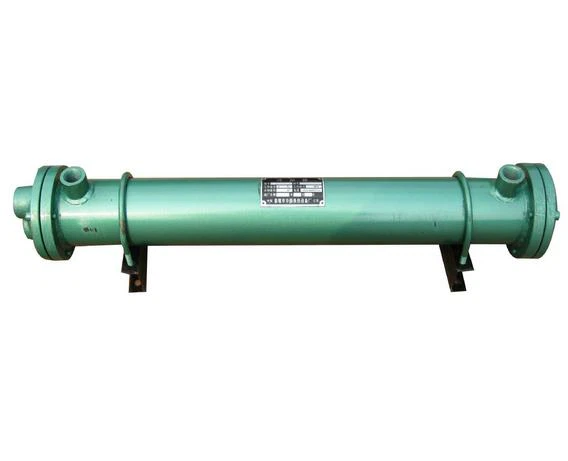
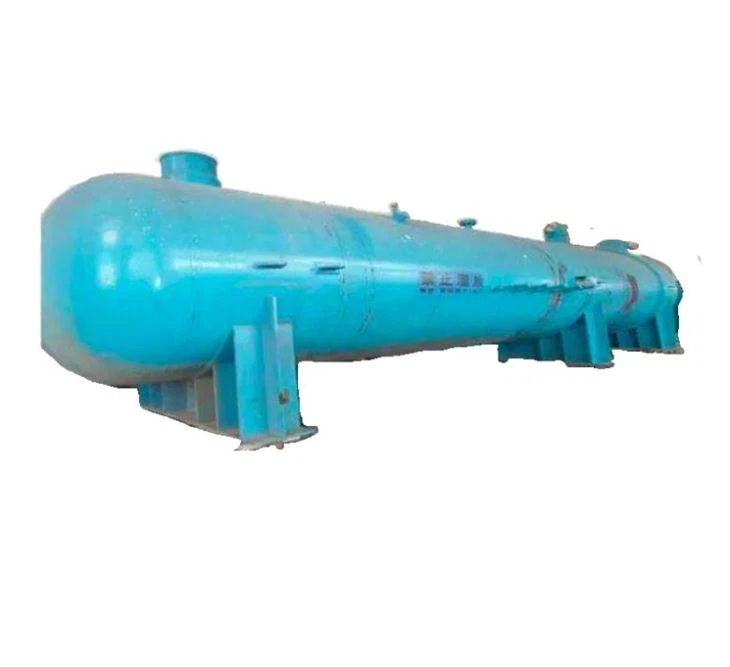
If you're also interested in other power station equipment, you can check out our Power Station Circulating Pump, Power Station HP and LP Heater, and Power Station Oil Cooler.


