

Can Wear - Resisting Bearings Be Used in Machine Tools?
As a supplier of wear - resisting bearings, I often encounter questions from potential customers about the suitability of our products for machine tools. Wear - resisting bearings are designed to withstand high levels of friction and wear, which makes them an attractive option for many industrial applications. In this blog, we will explore whether wear - resisting bearings can be effectively used in machine tools.
Understanding Wear - Resisting Bearings
Wear - resisting bearings are engineered with special materials and surface treatments to enhance their durability. They are typically made from high - strength alloys or use advanced ceramic materials. These materials have excellent hardness and resistance to abrasion, allowing the bearings to maintain their performance even under harsh operating conditions.
The key feature of wear - resisting bearings is their ability to reduce friction. Friction not only causes energy loss but also leads to wear and tear on the bearing surfaces. By minimizing friction, wear - resisting bearings can extend the service life of the equipment, reduce maintenance requirements, and improve overall efficiency.
Requirements of Machine Tools
Machine tools are used in a wide range of manufacturing processes, from simple cutting and drilling to complex machining operations. They require high precision, reliability, and stability to ensure the quality of the finished products.
Precision is crucial in machine tools. Any deviation in the rotation of the spindle or the movement of the tool can result in inaccurate machining, which may lead to defective products. Therefore, the bearings used in machine tools need to provide a high level of rotational accuracy.
Reliability is another important factor. Machine tools often operate continuously for long periods, and any bearing failure can cause significant downtime and production losses. So, the bearings must be able to withstand the mechanical stresses and loads associated with the machining process without failing prematurely.
Stability is related to both precision and reliability. A stable bearing system helps to maintain the correct alignment of the tool and the workpiece, ensuring consistent machining quality.
Compatibility of Wear - Resisting Bearings with Machine Tools
Now, let's analyze whether wear - resisting bearings can meet the requirements of machine tools.
Precision
Wear - resisting bearings can offer good precision. The materials used in their construction, such as high - quality alloys and ceramics, can be machined to very tight tolerances. This allows the bearings to provide accurate rotational motion, which is essential for the precision of machine tools. For example, in high - speed milling machines, the spindle bearings need to rotate precisely to achieve fine surface finishes and accurate dimensions. Wear - resisting bearings with their low - friction characteristics can help maintain this precision over time.
Reliability
The high wear resistance of these bearings makes them highly reliable. In machine tools, the bearings are subjected to various types of loads, including radial loads, axial loads, and combined loads. Wear - resisting bearings are designed to handle these loads effectively. Their ability to resist abrasion means that they can operate for a longer time without significant wear, reducing the likelihood of unexpected failures. For instance, in a heavy - duty lathe, the bearings supporting the main shaft need to be able to withstand the high cutting forces. Wear - resisting bearings can endure these forces and maintain their integrity.
Stability
Stability is also achievable with wear - resisting bearings. Their low - friction performance reduces the amount of heat generated during operation. Excessive heat can cause thermal expansion, which may lead to misalignment and loss of stability. By keeping the temperature within a reasonable range, wear - resisting bearings help to maintain the stability of the machine tool system.
Applications of Wear - Resisting Bearings in Machine Tools
There are several specific applications where wear - resisting bearings are well - suited for machine tools.
Spindle Bearings
The spindle is the heart of many machine tools, and the bearings used in the spindle must provide high - speed, high - precision rotation. Wear - resisting bearings can offer smooth operation and long - term reliability. They can reduce vibration and noise, which is beneficial for both the machining quality and the working environment.
Feed Drive Bearings
Feed drive systems are responsible for the linear movement of the tool or the workpiece. Wear - resisting bearings can ensure smooth and accurate feed motion. They can withstand the forces associated with rapid traversing and precise positioning, improving the efficiency and accuracy of the machining process.
Turret Bearings
In turret lathes, the turret contains multiple cutting tools and needs to rotate accurately to select the appropriate tool for each operation. Wear - resisting bearings can provide the necessary precision and durability for the turret rotation, ensuring quick and reliable tool changes.
Advantages of Using Wear - Resisting Bearings in Machine Tools
- Cost - effectiveness: Although the initial cost of wear - resisting bearings may be higher than traditional bearings, their longer service life and reduced maintenance requirements can result in significant cost savings in the long run.
- Improved Productivity: The stability and reliability of wear - resisting bearings contribute to fewer machine breakdowns and less downtime. This allows for continuous production, increasing the overall productivity of the machine tool.
- Enhanced Product Quality: By providing high precision and stability, wear - resisting bearings help to produce parts with better dimensional accuracy and surface finish, meeting the strict quality requirements of various industries.
Considerations for Using Wear - Resisting Bearings
While wear - resisting bearings have many advantages for machine tools, there are also some considerations.
- Installation and Maintenance: Proper installation is crucial to ensure the performance of wear - resisting bearings. Incorrect installation can lead to premature wear and failure. Regular maintenance, such as lubrication and inspection, is also necessary to keep the bearings in good condition.
- Compatibility with Other Components: Machine tools consist of multiple components, and the wear - resisting bearings need to be compatible with other parts, such as the shafts and housings. Any mismatch in dimensions or material properties can affect the performance of the entire system.
Related Components in Power Plants
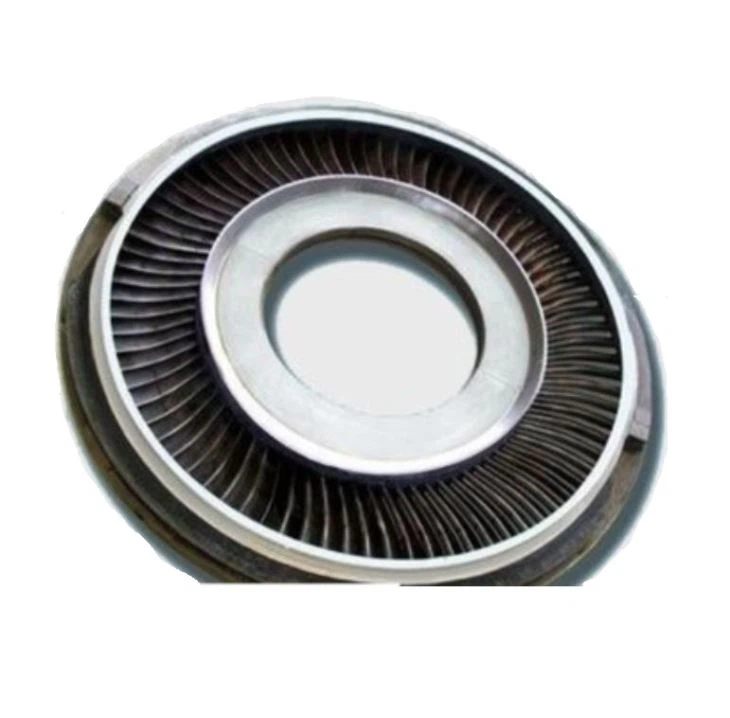
In addition to machine tools, there are many other industrial applications where high - performance components are required. For example, in coal - fired power plants, components like the Digital Electric Hydraulic Control System, High Accuracy Casing, and Steam Turbine Diaphragm play important roles in ensuring the stable operation of the power generation process.
Conclusion
In conclusion, wear - resisting bearings can be effectively used in machine tools. They can meet the high - precision, reliability, and stability requirements of machine tool applications. With their ability to reduce friction, resist wear, and provide long - term performance, they offer significant advantages for enhancing productivity and product quality.
If you are interested in using wear - resisting bearings for your machine tools or have any questions about our products, please feel free to contact us for a detailed discussion and potential procurement. We look forward to working with you to improve the performance of your equipment.

References
- "Bearing Technology Handbook" by Peter J. McPherson
- "Machine Tool Handbook" edited by O. W. Boston


