

As a reputable supplier of Power Station Feed Pumps, I am often asked about the intricate workings of the control system that governs these vital components in a power station. In this blog post, I will delve into the details of how the control system of a power station feed pump operates, shedding light on its significance and functionality.
The Role of Power Station Feed Pumps
Before we explore the control system, it's essential to understand the role of power station feed pumps. These pumps are responsible for supplying high-pressure water to the boiler in a power station. The feed water is crucial for the generation of steam, which in turn drives the turbines to produce electricity. The feed pump must maintain a consistent flow rate and pressure to ensure the efficient and reliable operation of the power generation process.
Components of the Control System
The control system of a power station feed pump consists of several key components that work together to regulate the pump's performance. These components include sensors, controllers, actuators, and communication networks.
Sensors
Sensors are used to monitor various parameters of the feed pump and the surrounding system. These parameters may include flow rate, pressure, temperature, and vibration. By continuously measuring these variables, the sensors provide real-time data to the control system, allowing it to make informed decisions about the pump's operation.
Controllers
The controllers are the brain of the control system. They receive the data from the sensors and use pre-programmed algorithms to analyze the information and determine the appropriate actions to take. The controllers can adjust the pump's speed, flow rate, and pressure to maintain optimal operating conditions. They also monitor the system for any abnormal conditions or faults and can take corrective actions to prevent damage to the pump or other components.
Actuators
Actuators are responsible for implementing the commands issued by the controllers. They can adjust the pump's speed, valve positions, and other parameters to achieve the desired operating conditions. Common types of actuators used in feed pump control systems include electric motors, hydraulic cylinders, and pneumatic valves.
Communication Networks
Communication networks are used to transmit data between the sensors, controllers, and actuators. These networks can be wired or wireless and are designed to ensure reliable and efficient communication. They allow the control system to operate in a coordinated manner and provide remote monitoring and control capabilities.
Control Strategies
The control system of a power station feed pump can employ various control strategies to achieve the desired performance. These strategies can be classified into two main categories: open-loop control and closed-loop control.
Open-Loop Control
Open-loop control is a simple control strategy in which the controller issues commands to the actuators based on pre-determined settings without considering the actual output of the system. This strategy is suitable for applications where the system is relatively stable and the operating conditions are well-defined. However, it may not be able to adapt to changes in the system or external disturbances, which can lead to suboptimal performance.
Closed-Loop Control
Closed-loop control is a more sophisticated control strategy in which the controller continuously monitors the output of the system and adjusts the commands to the actuators based on the feedback. This strategy allows the control system to adapt to changes in the system and external disturbances, ensuring that the desired performance is maintained. Closed-loop control is commonly used in power station feed pump control systems to regulate the flow rate, pressure, and temperature of the feed water.
Integration with Other Systems
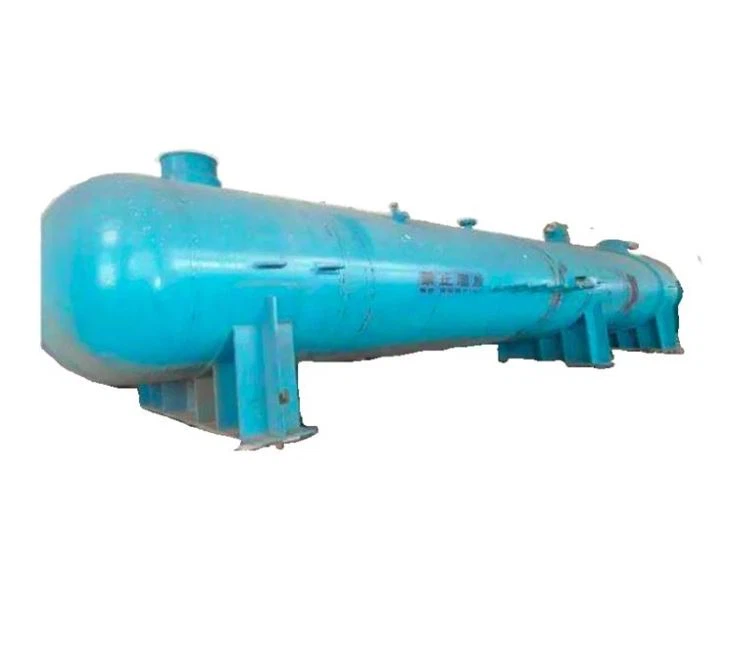
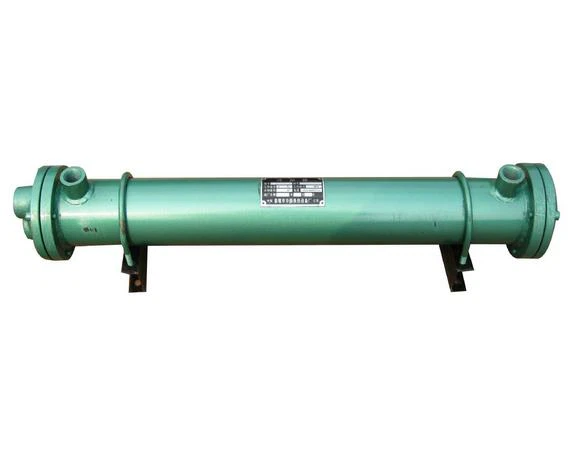
The control system of a power station feed pump is often integrated with other systems in the power station to ensure the overall efficiency and reliability of the power generation process. These systems may include the Power Station Condenser, Power Station HP and LP Heater, and Power Station Oil Cooler.
Power Station Condenser
The power station condenser is responsible for condensing the steam exhausted from the turbines back into water. The control system of the feed pump may be integrated with the condenser control system to ensure that the feed water temperature and flow rate are adjusted to match the condenser's requirements. This integration helps to improve the efficiency of the condenser and the overall power generation process.
Power Station HP and LP Heater
The power station HP and LP heaters are used to preheat the feed water before it enters the boiler. The control system of the feed pump may be integrated with the heater control system to ensure that the feed water temperature is maintained at the optimal level. This integration helps to improve the efficiency of the boiler and the overall power generation process.
Power Station Oil Cooler
The power station oil cooler is used to cool the lubricating oil in the turbines and other rotating equipment. The control system of the feed pump may be integrated with the oil cooler control system to ensure that the coolant flow rate and temperature are adjusted to match the oil cooler's requirements. This integration helps to improve the reliability and longevity of the rotating equipment.
Benefits of a Well-Designed Control System
A well-designed control system for a power station feed pump offers several benefits, including:
Improved Efficiency
The control system can optimize the pump's performance by adjusting the speed, flow rate, and pressure to match the actual load requirements. This helps to reduce energy consumption and improve the overall efficiency of the power generation process.
Enhanced Reliability
The control system can monitor the pump's operation continuously and detect any abnormal conditions or faults early. This allows for timely maintenance and repairs, reducing the risk of unexpected breakdowns and improving the reliability of the power station.
Better Control and Flexibility
The control system provides precise control over the pump's operation, allowing for quick adjustments to changes in the load or operating conditions. This flexibility helps to ensure the stable and reliable operation of the power station.
Remote Monitoring and Control
The communication networks in the control system enable remote monitoring and control of the feed pump. This allows for real-time access to the pump's performance data and the ability to issue commands and make adjustments from a central control room. Remote monitoring and control can improve the efficiency of maintenance and troubleshooting operations.
Contact Us for Your Power Station Feed Pump Needs
If you are in the market for a high-quality power station feed pump and a reliable control system, look no further. As a leading supplier in the industry, we have the expertise and experience to provide you with the best solutions for your power station. Our team of experts can work with you to design and implement a customized control system that meets your specific requirements.
Contact us today to start the conversation about how we can help you optimize your power generation process with our top-of-the-line power station feed pumps and control systems. We look forward to the opportunity to serve you.
References
- Power Generation Principles: Thermal, Steam, Gas & Combined Cycle Power Plants, by James G. Speight.
- Electrical Power Systems: Design and Analysis, by Muhammad H. Rashid.
- Industrial Control Technology: A Practical Guide, by John R. Vacca.


