

As a supplier of Power Station Oil Coolers, I've seen firsthand how the cooling water temperature can have a huge impact on the performance of these crucial pieces of equipment. In this blog, I'll break down the science behind it, share some real - world implications, and also give you a heads - up on why it's important for you to consider these factors when looking for an oil cooler.
The Basics of Power Station Oil Coolers
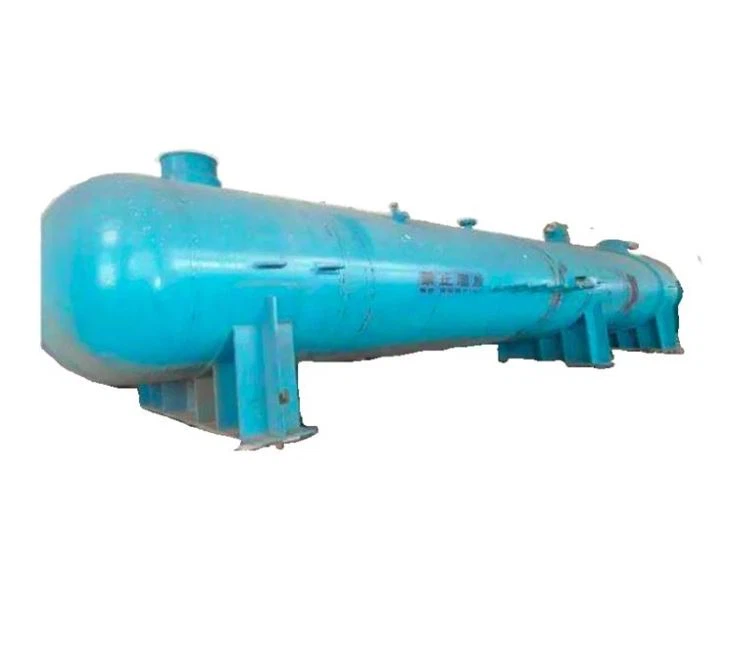
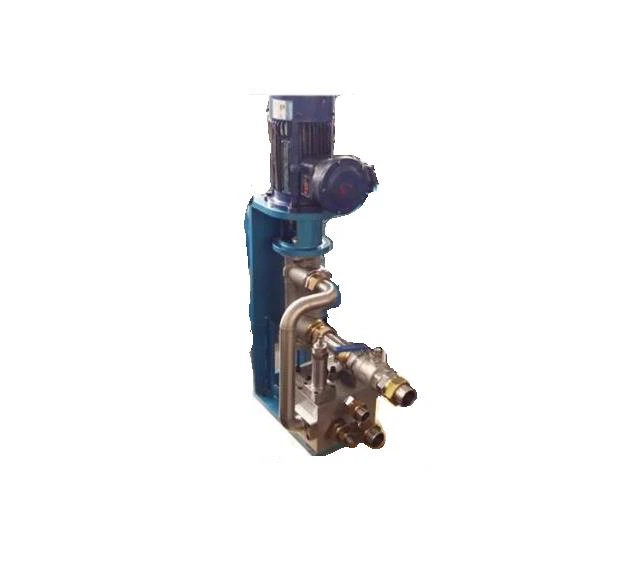
First off, let's quickly understand what a power station oil cooler does. In a power station, there are a lot of moving parts, and these parts generate a ton of heat when they're running. The oil coolers are there to keep the oil temperature in check. The oil, in turn, lubricates and cools the machinery, like the Power Station Oil Pump. If the oil gets too hot, it can lose its effectiveness, and that can lead to all sorts of problems, from reduced efficiency to serious damage to the equipment.
The cooling process typically involves circulating cooling water through the cooler. As the hot oil and the cooling water flow past each other in the cooler, heat is transferred from the oil to the water. This helps to bring the oil temperature down to a safe and efficient operating level.
How Cooling Water Temperature Comes into Play
Now, let's talk about how the cooling water temperature affects all this. The cooling water is the key player in the heat - transfer process. The lower the temperature of the cooling water, the better it is at absorbing heat from the oil.
When the cooling water is cold, it has a greater temperature difference with the hot oil. According to the laws of thermodynamics, a larger temperature difference means a higher rate of heat transfer. So, cold water can pull more heat out of the oil in a shorter amount of time. This keeps the oil temperature lower, which is great for the performance of the power station equipment.
On the other hand, when the cooling water temperature is high, the temperature difference between the oil and the water is smaller. This slows down the heat - transfer process. The oil may not be cooled as effectively, and its temperature can start to rise. If the oil temperature gets too high, the viscosity of the oil decreases. This means the oil can't lubricate the machinery as well, and it can lead to increased friction and wear on the moving parts.
Real - World Impacts
I've heard from many power station operators about the real - world impacts of the cooling water temperature on oil cooler performance. In some cases, during hot summer days, the cooling water temperature can rise significantly. When this happens, the oil coolers have a tougher time doing their job.
One operator told me that they noticed a drop in the overall efficiency of their power generation. The equipment was working harder to compensate for the higher oil temperatures, which meant using more fuel and generating more emissions. They also had to do more frequent maintenance on the machinery because of the increased wear and tear caused by the poor - performing oil.
In another situation, a power station located near a river used the river water for cooling. During a drought, the water level in the river dropped, and the water temperature rose. This led to overheating of the oil in the oil coolers, and they had to reduce the power output of the station to avoid equipment damage.
Considerations for Power Station Operators
If you're a power station operator, it's really important to keep an eye on the cooling water temperature. You need to have a plan in place for when the water temperature rises. This could involve increasing the flow rate of the cooling water, if possible. You might also want to invest in more efficient oil coolers that can handle higher cooling water temperatures better.
When choosing an oil cooler, it's crucial to consider its performance under different cooling water temperature conditions. As a supplier, we always make sure to provide our customers with all the information they need about how our Power Station Oil Coolers will perform in various scenarios.
The Role of Other Equipment
It's also worth noting that the performance of the oil cooler can be affected by other equipment in the power station. For example, the Power Station Feed Pump plays a role in the overall system. If the feed pump isn't working properly, it can disrupt the flow of water and oil, which can impact the heat - transfer process in the oil cooler.
Similarly, the Power Station HP and LP Heater can affect the temperature balance in the power station. Any changes in the operation of these heaters can have a ripple effect on the oil cooler performance.
Why You Should Choose Our Oil Coolers
As a power station oil cooler supplier, we've spent years developing and refining our products. Our oil coolers are designed to be highly efficient, even when the cooling water temperature is on the higher side. We use advanced materials and engineering techniques to maximize the heat - transfer capabilities of our coolers.
We also offer excellent customer support. If you ever have any questions about the performance of our oil coolers under different cooling water conditions, our team of experts is always ready to help. We'll work with you to find the best solution for your power station needs.
Time to Step Up Your Power Station's Game
If you're currently facing issues with your power station oil coolers due to cooling water temperature problems, or if you're looking to upgrade your existing equipment, now is the time. Don't let high cooling water temperatures hold back your power station's performance.
Contact us today to start a conversation about how our power station oil coolers can solve your problems and improve your power generation process. Whether it's discussing the right cooler for your specific requirements or getting more information about our products, we're here for you. Let's work together to make your power station more efficient, reliable, and profitable.
References
- Incropera, F. P., & DeWitt, D. P. (2002). Fundamentals of Heat and Mass Transfer. John Wiley & Sons.
- Cengel, Y. A., & Boles, M. A. (2006). Thermodynamics: An Engineering Approach. McGraw - Hill.


