

Maintaining a power station condenser is crucial for the efficient and reliable operation of a power plant. As a power station condenser supplier, I've seen firsthand how proper maintenance can extend the lifespan of condensers and enhance overall power plant performance. In this blog, I'll share some key tips on how to maintain a power station condenser effectively.
Regular Inspections
One of the first steps in condenser maintenance is conducting regular inspections. These inspections should be scheduled at regular intervals, depending on the operating conditions of the power plant. During an inspection, you'll want to check for any signs of damage, such as leaks, corrosion, or fouling.
Leaks can be a major problem in condensers, as they can lead to a loss of vacuum and reduced efficiency. To check for leaks, you can use a variety of methods, including pressure testing and ultrasonic leak detection. If you find a leak, it's important to repair it as soon as possible to prevent further damage.
Corrosion is another common issue in condensers, especially in areas where the water quality is poor. To prevent corrosion, you can use corrosion-resistant materials in the construction of the condenser, such as stainless steel or titanium. You can also add corrosion inhibitors to the cooling water to protect the condenser tubes.
Fouling occurs when deposits build up on the surface of the condenser tubes, reducing heat transfer efficiency. To prevent fouling, you can use a variety of methods, including chemical cleaning, mechanical cleaning, and online monitoring. Chemical cleaning involves using chemicals to dissolve the deposits on the tubes, while mechanical cleaning involves using brushes or scrapers to remove the deposits. Online monitoring allows you to detect fouling early and take corrective action before it becomes a major problem.
Water Quality Management
The quality of the cooling water used in the condenser is also critical for its maintenance. Poor water quality can lead to corrosion, fouling, and scaling, which can all reduce the efficiency of the condenser. To ensure good water quality, you should monitor the water regularly and take appropriate measures to treat it if necessary.
One of the most important factors in water quality is the pH level. The pH level of the cooling water should be maintained between 6.5 and 8.5 to prevent corrosion. You can use a pH meter to measure the pH level of the water and add chemicals to adjust it if necessary.
Another important factor in water quality is the presence of dissolved solids. High levels of dissolved solids can lead to scaling, which can reduce the heat transfer efficiency of the condenser. To reduce the levels of dissolved solids, you can use a water treatment system, such as a reverse osmosis system or a deionization system.
In addition to pH and dissolved solids, you should also monitor the water for the presence of other contaminants, such as bacteria, algae, and suspended solids. These contaminants can cause fouling and corrosion, so it's important to remove them from the water before they can cause damage to the condenser.
Tube Cleaning
Tube cleaning is an essential part of condenser maintenance. Over time, the condenser tubes can become fouled with deposits, which can reduce the heat transfer efficiency of the condenser. To prevent this, you should clean the tubes regularly using a variety of methods.
One of the most common methods of tube cleaning is chemical cleaning. Chemical cleaning involves using chemicals to dissolve the deposits on the tubes. This method is effective for removing most types of deposits, but it can be expensive and time-consuming.
Mechanical cleaning is another method of tube cleaning. Mechanical cleaning involves using brushes or scrapers to remove the deposits on the tubes. This method is less expensive and time-consuming than chemical cleaning, but it may not be as effective for removing stubborn deposits.
Online cleaning is a newer method of tube cleaning that involves using a continuous flow of cleaning agents to remove the deposits on the tubes. This method is more efficient than traditional cleaning methods, as it can be done while the condenser is in operation.
Vacuum System Maintenance
The vacuum system is an important part of the condenser, as it helps to maintain the vacuum inside the condenser and improve its efficiency. To ensure the proper operation of the vacuum system, you should conduct regular maintenance on it.
One of the most important aspects of vacuum system maintenance is checking the vacuum pumps. The vacuum pumps should be inspected regularly for any signs of damage or wear, and they should be serviced or replaced as needed.
You should also check the vacuum lines for any leaks or blockages. Leaks in the vacuum lines can reduce the vacuum inside the condenser and reduce its efficiency, while blockages can prevent the proper flow of air through the system.
In addition to checking the vacuum pumps and lines, you should also monitor the vacuum level inside the condenser. The vacuum level should be maintained at a constant level to ensure the proper operation of the condenser. If the vacuum level drops, it could indicate a problem with the vacuum system or the condenser itself.
Monitoring and Control
Finally, it's important to monitor and control the operation of the condenser to ensure its efficient and reliable performance. You can use a variety of monitoring and control systems to track the performance of the condenser and take appropriate action if necessary.
One of the most important monitoring systems is the heat transfer monitoring system. This system allows you to track the heat transfer efficiency of the condenser and detect any changes in its performance. If the heat transfer efficiency drops, it could indicate a problem with the condenser, such as fouling or corrosion.
Another important monitoring system is the water quality monitoring system. This system allows you to track the quality of the cooling water and detect any changes in its composition. If the water quality deteriorates, it could indicate a problem with the water treatment system or the source of the water.
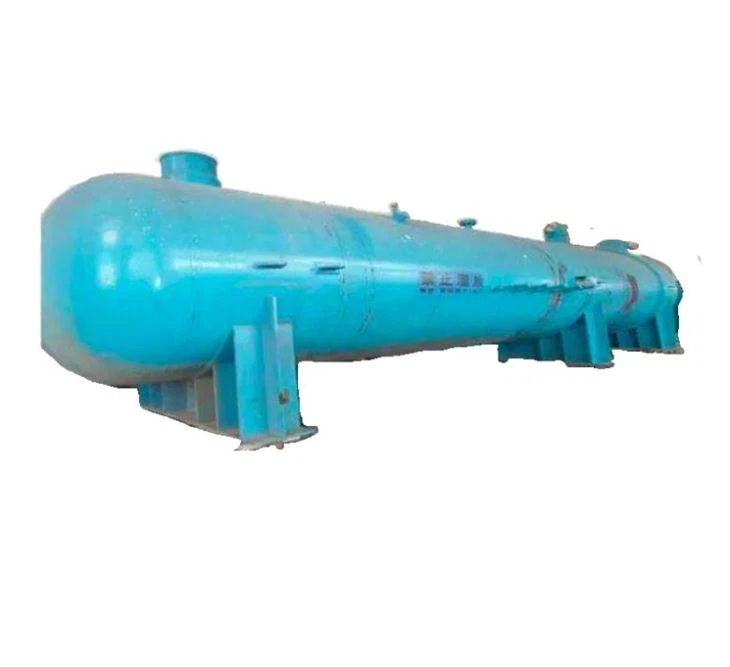
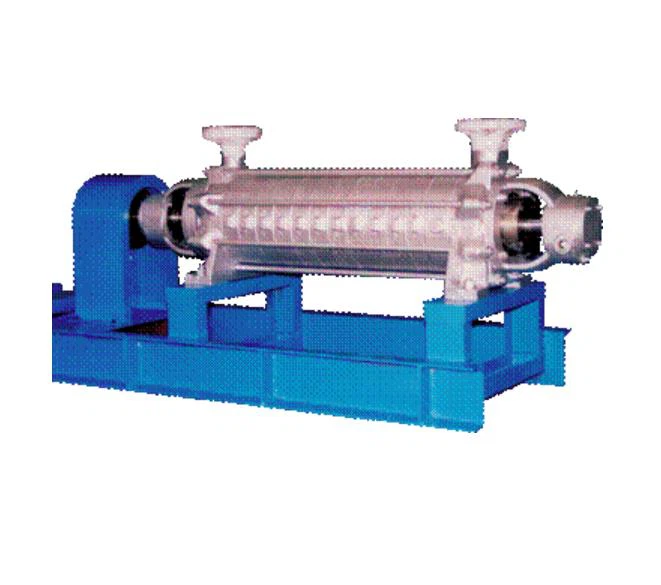
In addition to monitoring systems, you can also use control systems to adjust the operation of the condenser. For example, you can use a control system to adjust the flow rate of the cooling water or the temperature of the steam entering the condenser. This can help to optimize the performance of the condenser and improve its efficiency.
Conclusion
Maintaining a power station condenser is a complex and ongoing process that requires careful attention to detail. By following the tips outlined in this blog, you can ensure the efficient and reliable operation of your condenser and extend its lifespan. Remember to conduct regular inspections, manage the water quality, clean the tubes, maintain the vacuum system, and monitor and control the operation of the condenser. If you have any questions or need further assistance with condenser maintenance, please don't hesitate to [reach out to us for a purchase negotiation]. We're here to help you keep your power plant running smoothly.
References
- Power Station Feed Pump: /coal-fired-power-plant/balance-of-plant-equipment-supply/power-station-feed-pump.html
- Power Station HP and LP Heater: /coal-fired-power-plant/balance-of-plant-equipment-supply/power-station-hp-and-lp-heater.html
- Power Station Circulating Pump: /coal-fired-power-plant/balance-of-plant-equipment-supply/power-station-circulating-pump.html


