
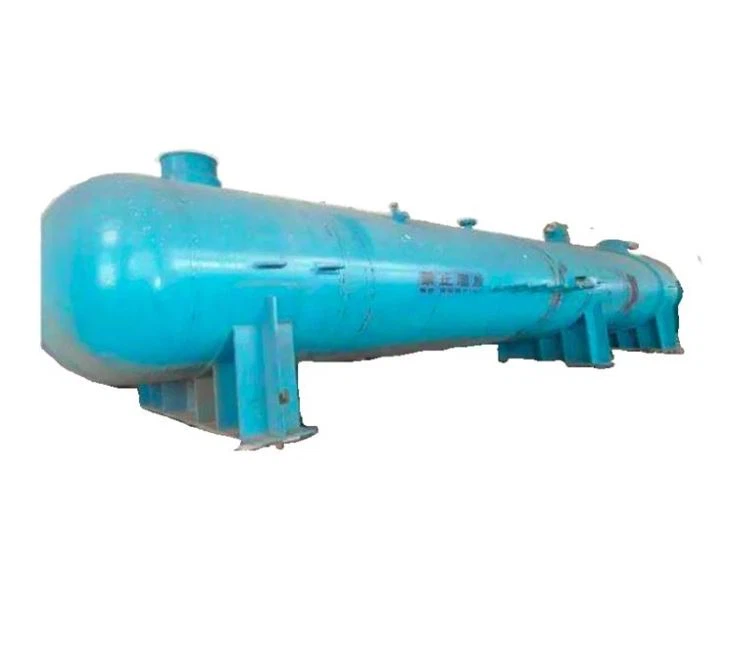
Scaling in a power station condenser is a common and troublesome issue that can significantly affect the efficiency and lifespan of the equipment. As a leading supplier of Power Station Condenser, we understand the importance of preventing scaling and have accumulated rich experience in this field. In this blog, we will share some effective methods to prevent scaling in a power station condenser.
Understanding the Causes of Scaling
Before delving into prevention methods, it is crucial to understand what causes scaling in a power station condenser. Scaling mainly occurs due to the precipitation of dissolved minerals in the cooling water. When the cooling water is heated in the condenser, the solubility of minerals such as calcium carbonate, calcium sulfate, and magnesium hydroxide decreases. As a result, these minerals precipitate out of the solution and form a hard, adherent layer on the condenser tubes.
Another factor contributing to scaling is the presence of impurities in the cooling water. These impurities can act as nuclei for the precipitation of minerals, accelerating the scaling process. Additionally, the operating conditions of the condenser, such as temperature, pressure, and flow rate, can also influence the formation of scale.
Water Treatment
One of the most effective ways to prevent scaling in a power station condenser is through proper water treatment. This involves removing or reducing the concentration of scale - forming minerals and impurities in the cooling water.
Filtration
Filtration is the first step in water treatment. It can remove large particles, debris, and suspended solids from the cooling water. There are various types of filters available, such as sand filters, activated carbon filters, and membrane filters. Sand filters are commonly used for pre - treatment, as they can effectively remove large particles. Activated carbon filters can adsorb organic compounds and some dissolved impurities. Membrane filters, such as reverse osmosis membranes, can remove dissolved salts and small particles, providing high - quality water for the condenser.
Chemical Treatment
Chemical treatment is another important aspect of water treatment. It involves adding chemicals to the cooling water to prevent the precipitation of scale - forming minerals. One common chemical used is a scale inhibitor. Scale inhibitors work by interfering with the crystallization process of minerals, preventing them from forming a solid scale. They can adsorb onto the surface of the growing crystals, preventing further growth and aggregation.
Another chemical used in water treatment is a dispersant. Dispersants help to keep the suspended particles and impurities in the water in a dispersed state, preventing them from settling on the condenser tubes. They can also prevent the formation of sludge, which can reduce the heat transfer efficiency of the condenser.
Ion Exchange
Ion exchange is a process that can be used to remove specific ions from the cooling water. For example, water softeners use ion exchange resins to remove calcium and magnesium ions from the water, replacing them with sodium ions. This reduces the hardness of the water and the potential for scale formation.
Monitoring and Control
Regular monitoring and control of the cooling water quality and operating conditions of the condenser are essential for preventing scaling.
Water Quality Monitoring
Monitoring the water quality of the cooling water is crucial for detecting any changes in the concentration of scale - forming minerals and impurities. Parameters such as pH, conductivity, hardness, and turbidity should be regularly measured. A sudden increase in conductivity or hardness may indicate an increase in the concentration of dissolved salts, which could lead to scaling.
Operating Condition Monitoring
In addition to water quality monitoring, the operating conditions of the condenser, such as temperature, pressure, and flow rate, should also be monitored. Maintaining the proper operating conditions can help to prevent the formation of scale. For example, ensuring a sufficient flow rate of cooling water can prevent the accumulation of minerals on the condenser tubes.
Control Systems
Automated control systems can be used to adjust the water treatment processes and operating conditions based on the monitoring results. For example, if the water hardness exceeds a certain limit, the control system can automatically increase the dosage of scale inhibitors or adjust the ion exchange process.
Condenser Design and Maintenance
The design and maintenance of the condenser also play an important role in preventing scaling.
Condenser Design
A well - designed condenser can help to prevent scaling. For example, the design of the condenser tubes should ensure a smooth flow of cooling water, minimizing the chances of mineral deposition. The material of the condenser tubes also affects the scaling tendency. Some materials, such as stainless steel and titanium, are more resistant to scaling than others.
Regular Maintenance
Regular maintenance of the condenser is essential for preventing scaling. This includes cleaning the condenser tubes to remove any accumulated scale. There are various cleaning methods available, such as mechanical cleaning, chemical cleaning, and high - pressure water jet cleaning. Mechanical cleaning involves using brushes or scrapers to remove the scale from the tubes. Chemical cleaning uses chemicals to dissolve the scale. High - pressure water jet cleaning is a non - chemical method that uses high - pressure water to remove the scale.
The Role of Related Equipment
Other equipment in the power station, such as Power Station HP and LP Heater and Power Station Feed Pump, can also affect the scaling in the condenser.
The HP and LP heaters can pre - heat the feedwater, which can reduce the temperature difference between the steam and the cooling water in the condenser. This can help to prevent the precipitation of minerals and reduce the scaling tendency. The feed pump is responsible for supplying water to the boiler and the condenser. Ensuring the proper operation of the feed pump can maintain a stable water flow rate in the condenser, which is important for preventing scaling.

Conclusion
Preventing scaling in a power station condenser is a complex but necessary task. By implementing proper water treatment, monitoring and control, and ensuring the correct design and maintenance of the condenser, as well as considering the role of related equipment, the formation of scale can be effectively prevented. This not only improves the efficiency and performance of the condenser but also extends its lifespan, reducing the overall operating costs of the power station.
If you are facing scaling problems in your power station condenser or are interested in improving the performance of your condenser, we are here to help. As a professional Power Station Condenser supplier, we have a team of experts who can provide you with customized solutions and high - quality products. Contact us to start a procurement discussion and take the first step towards a more efficient power station.
References
- "Power Plant Engineering" by P. K. Nag
- "Water Treatment Handbook" by Water Treatment Association
- Technical papers on power station condenser operation and maintenance from industry journals


