

As a reputable supplier of Power Station Feed Pumps, I understand the critical role these pumps play in the efficient operation of power stations. In this blog, I will delve into the control parameters of a power station feed pump, providing insights that are essential for power station operators, engineers, and those involved in the procurement of such equipment.
Flow Rate
One of the most fundamental control parameters of a power station feed pump is the flow rate. The flow rate determines the amount of water that the pump can deliver to the boiler per unit of time. It is measured in cubic meters per hour (m³/h) or gallons per minute (GPM). Maintaining the correct flow rate is crucial for ensuring that the boiler receives an adequate supply of water to generate steam at the required rate.
The flow rate of a feed pump is typically controlled by adjusting the speed of the pump motor. Variable frequency drives (VFDs) are commonly used to achieve this. By changing the frequency of the electrical power supplied to the motor, the speed of the pump can be varied, thereby controlling the flow rate. In addition to VFDs, other methods such as throttling valves can also be used to regulate the flow rate, although these are generally less efficient.
Pressure
Pressure is another vital control parameter. The feed pump must be able to generate sufficient pressure to overcome the resistance in the piping system and deliver water to the boiler at the required pressure. The pressure is measured in pascals (Pa), bar, or pounds per square inch (PSI).

The pressure control of a feed pump is closely related to the flow rate. As the flow rate increases, the pressure drop in the piping system also increases, and the pump needs to generate more pressure to maintain the flow. Conversely, when the flow rate decreases, the pressure requirements may also be reduced. Similar to flow rate control, the pressure can be adjusted by changing the pump speed or by using pressure - regulating valves.
Temperature
Temperature is an important consideration in the operation of a power station feed pump. The water being pumped should be within a certain temperature range to ensure the proper functioning of the pump and to prevent damage to its components. High temperatures can cause problems such as cavitation, which is the formation and collapse of vapor bubbles in the liquid, leading to erosion and damage to the pump impeller and other parts.
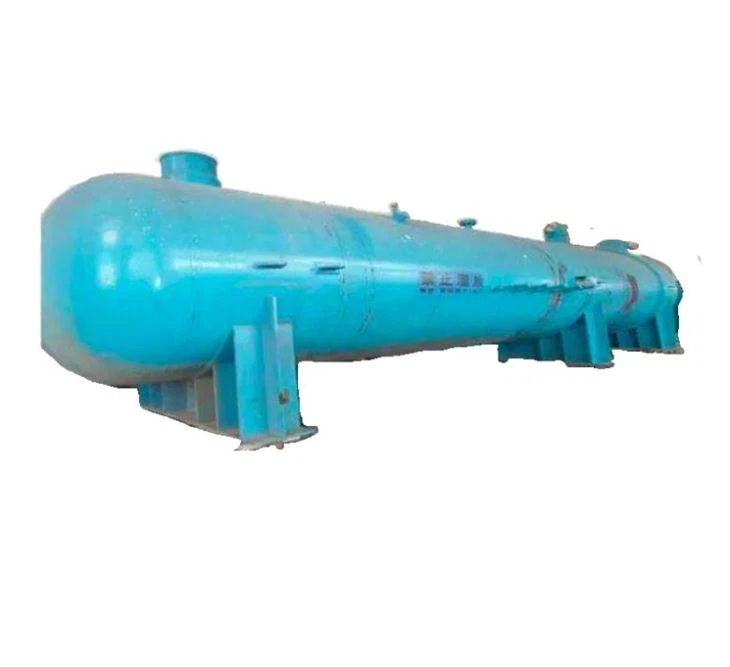
The temperature of the feed water is usually controlled by heat exchangers and heaters in the power station. For example, Power Station HP and LP Heater are used to pre - heat the feed water before it enters the boiler. By monitoring and controlling the temperature of the feed water, the efficiency and reliability of the feed pump can be improved.
Vibration
Vibration is a parameter that can indicate the health of a power station feed pump. Excessive vibration can be a sign of various problems, such as misalignment of the pump and motor, unbalanced impellers, or worn bearings. Continuous high - level vibration can lead to premature failure of the pump components and can also cause damage to the surrounding equipment and piping.
Vibration sensors are installed on the pump to monitor the vibration levels. If the vibration exceeds a certain threshold, it is an indication that maintenance or corrective action is required. Regular vibration monitoring can help detect potential problems early, allowing for timely repairs and reducing the risk of unexpected breakdowns.
Efficiency
The efficiency of a power station feed pump is a key control parameter. A more efficient pump consumes less energy to deliver the same amount of water at the required pressure, resulting in cost savings for the power station. Efficiency is calculated as the ratio of the useful power output of the pump (the power used to move the water) to the power input (the electrical power consumed by the pump motor).
To improve the efficiency of the feed pump, proper design, selection, and operation are essential. Selecting a pump with the appropriate size and performance characteristics for the specific application is crucial. Additionally, regular maintenance, such as cleaning the impeller and checking the clearances, can also help maintain the pump's efficiency.
NPSH (Net Positive Suction Head)
NPSH is a critical parameter for preventing cavitation in a power station feed pump. Cavitation occurs when the pressure at the suction side of the pump drops below the vapor pressure of the liquid, causing vapor bubbles to form. These bubbles collapse when they move to a region of higher pressure, creating shock waves that can damage the pump.
The NPSH available (NPSHa) is the actual pressure head available at the pump suction, while the NPSH required (NPSHr) is the minimum pressure head required by the pump to operate without cavitation. The pump should be installed in such a way that the NPSHa is greater than the NPSHr. This can be achieved by ensuring an adequate supply of water at the suction side, proper piping design, and maintaining the correct water level in the suction tank.
Speed
As mentioned earlier, the speed of the power station feed pump is a significant control parameter. By adjusting the speed, both the flow rate and pressure can be controlled. In modern power stations, variable - speed drives are widely used to optimize the pump's performance according to the actual operating conditions.
The speed control allows the pump to operate more efficiently under different load requirements. For example, during periods of low power demand, the pump speed can be reduced, resulting in lower energy consumption. On the other hand, when the power demand increases, the pump speed can be increased to meet the higher flow and pressure requirements.
Motor Current
Monitoring the motor current of the feed pump is also important. The motor current is directly related to the power consumption of the pump. An abnormal increase in the motor current may indicate problems such as a blocked impeller, excessive load, or electrical issues in the motor.
By continuously monitoring the motor current, operators can detect potential problems early and take appropriate action. For example, if the current exceeds a certain limit, the pump can be shut down to prevent damage to the motor and other components.
In conclusion, the control parameters of a power station feed pump are interrelated and must be carefully monitored and adjusted to ensure the efficient, reliable, and safe operation of the power station. As a Power Station Feed Pump supplier, we are committed to providing high - quality pumps and comprehensive technical support to help power stations optimize their operations. If you are in the market for a power station feed pump or need assistance with pump control and optimization, I encourage you to reach out to us for a detailed discussion. We have a team of experts who can provide customized solutions based on your specific requirements.
References
- Karassik, I. J., Messina, J. P., Cooper, P. T., & Heald, C. C. (2008). Pump Handbook. McGraw - Hill Professional.
- Stepanoff, A. J. (1957). Centrifugal and Axial Flow Pumps: Theory, Design, and Application. Wiley.


