

Hey there! I'm a supplier of Power Station Oil Pumps, and today I wanna chat about the repair methods for these crucial components in power stations. Let's dive right in.
First off, understanding the importance of power station oil pumps is key. These pumps are responsible for circulating oil throughout the power station's machinery, providing lubrication and cooling. Without proper functioning oil pumps, the entire power - generating process can be at risk.
Common Issues with Power Station Oil Pumps
Before we jump into the repair methods, let's take a look at some common problems that power station oil pumps might face.

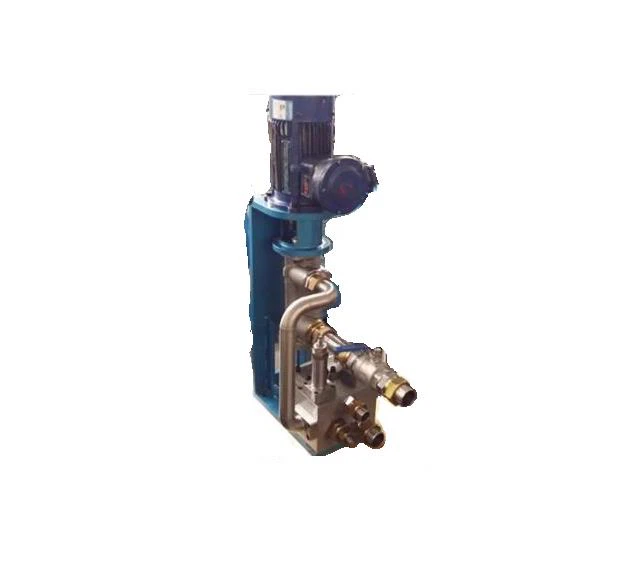
1. Leakage
Oil leakage is a frequent issue. It can occur at various points such as the pump seals, gaskets, or connections. Leakage not only leads to a loss of oil but can also cause environmental concerns and potential safety hazards.
2. Low Oil Pressure
If the oil pressure is too low, it means the pump isn't delivering enough oil to the machinery. This can result from a clogged filter, a worn - out impeller, or a malfunctioning relief valve.
3. Noise and Vibration
Unusual noise and vibration are signs that something is wrong. It could be due to misalignment of the pump, worn bearings, or cavitation (formation and collapse of vapor bubbles in the oil).
Repair Methods
Seal and Gasket Replacement
When dealing with oil leakage, the first thing to check is the seals and gaskets. Over time, these components can wear out, crack, or become damaged. Replacing them is often a straightforward fix. We need to carefully remove the old seals and gaskets, clean the mating surfaces, and then install new ones. Make sure to use high - quality seals and gaskets that are compatible with the oil used in the power station. You can find more information about related power station equipment like Power Station HP and LP Heater on our website.
Filter Cleaning or Replacement
A clogged filter can restrict the flow of oil and cause low oil pressure. If the filter is dirty, we can try cleaning it first. However, if it's severely clogged or damaged, it's better to replace it. Regular filter maintenance is crucial to keep the oil pump running smoothly.
Impeller Inspection and Repair
The impeller is a vital part of the oil pump. If it's worn out, it won't be able to generate enough pressure to circulate the oil effectively. We need to inspect the impeller for signs of wear, such as erosion or damage to the blades. In some cases, minor damage can be repaired by machining or welding. But if the impeller is too worn, it should be replaced.
Relief Valve Adjustment or Replacement
The relief valve is designed to maintain the correct oil pressure. If it's malfunctioning, it can cause either low or high oil pressure. We can try adjusting the relief valve to the correct setting. If that doesn't work, we may need to replace it.
Alignment Correction
Misalignment of the pump can lead to noise, vibration, and premature wear of components. Using alignment tools, we can check the alignment of the pump shaft with the motor shaft. If there's misalignment, we need to make the necessary adjustments to ensure proper alignment.
Bearing Replacement
Worn bearings can cause excessive noise and vibration. When the bearings start to fail, they need to be replaced immediately. We should choose high - quality bearings that are suitable for the operating conditions of the power station.
Cavitation Prevention and Repair
Cavitation can damage the impeller and other pump components. To prevent cavitation, we need to ensure that the suction line is properly sized and free of restrictions. If cavitation has already occurred, we may need to repair or replace the damaged parts.
Preventive Maintenance
Repairing power station oil pumps is important, but preventive maintenance is even better. Here are some tips for preventive maintenance:
- Regular Inspections: Conduct regular visual inspections of the oil pump for signs of leakage, damage, or wear.
- Oil Analysis: Analyze the oil regularly to check for contaminants, viscosity changes, and other signs of problems.
- Lubrication: Keep all moving parts properly lubricated to reduce friction and wear.
- Record Keeping: Keep detailed records of maintenance and repairs. This can help identify recurring problems and plan for future maintenance.
Why Choose Our Power Station Oil Pumps
As a supplier of Power Station Oil Pump, we offer high - quality pumps that are designed to meet the demanding requirements of power stations. Our pumps are built with durable materials and advanced technology to ensure reliable performance. We also provide excellent after - sales service, including repair and maintenance support. If you're facing issues with your power station oil pumps or are looking for a new pump, we're here to help.
In addition to oil pumps, we also supply other important power station equipment like Power Station Condenser. Our comprehensive range of products and services can help you keep your power station running efficiently.
If you're interested in our products or need more information about power station oil pump repair, don't hesitate to get in touch with us. We're ready to have a chat about your specific needs and work out the best solutions for you. Whether you're looking to repair your existing pumps or purchase new ones, we're here to support you every step of the way.
References
- Power Station Equipment Handbook
- Oil Pump Manufacturer's Manuals
- Industry Standards for Power Station Maintenance


