
Hey there! As a supplier of Lithium Titanate Packs, I often get asked about the capacity of these packs. So, let's dive right in and explore what the capacity of a Lithium Titanate Pack really means.
First off, what's a Lithium Titanate Pack? Well, it's a type of rechargeable battery pack that uses lithium titanate oxide (LTO) as the anode material. These packs have some pretty cool features, like fast charging, long cycle life, and good performance in a wide range of temperatures. They're used in various applications, from electric vehicles to energy storage systems.
Now, let's talk about capacity. The capacity of a battery pack is basically how much energy it can store. It's usually measured in ampere - hours (Ah) or watt - hours (Wh). Ampere - hours tell you how much current the battery can supply over a certain period of time. For example, a 1 Ah battery can supply a current of 1 ampere for 1 hour. Watt - hours, on the other hand, take into account the voltage of the battery as well. The formula to convert from Ah to Wh is Wh = Ah × V (where V is the voltage of the battery).
Let's take a look at some of our products. We have the LTO Battery PACK 48V 30Ah. With a voltage of 48V and a capacity of 30Ah, we can calculate the energy capacity in watt - hours. Using the formula Wh = Ah × V, we get 30Ah × 48V = 1440Wh. This means that this battery pack can store 1440 watt - hours of energy. That's enough to power some small - to - medium - sized electrical devices for a decent amount of time.
Another product we offer is the LTO Battery PACK 48V 60Ah. Using the same calculation method, with a 48V voltage and 60Ah capacity, the energy capacity is 60Ah × 48V = 2880Wh. As you can see, doubling the ampere - hour capacity doubles the energy storage capacity at the same voltage.
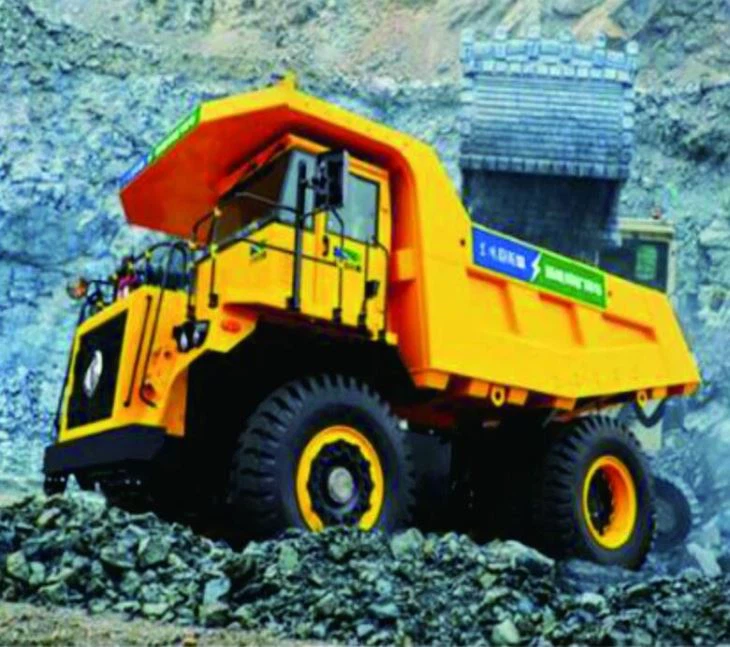
The capacity of a Lithium Titanate Pack is crucial in determining its suitability for different applications. For example, in an electric vehicle, a higher - capacity battery pack means a longer driving range. That's why we also have an Extended Range Electric Vehicle Solution that uses our high - capacity Lithium Titanate Packs. These packs can provide the necessary power to keep the vehicle running for longer distances.
But capacity isn't the only thing that matters. The discharge rate of the battery pack is also important. The discharge rate tells you how fast the battery can release its stored energy. A high - discharge - rate battery can supply a large amount of current in a short period of time. This is useful in applications where a sudden burst of power is needed, like in electric vehicles during acceleration or in power tools.
Our Lithium Titanate Packs have a relatively high discharge rate compared to some other types of batteries. This means they can handle high - power demands without getting damaged easily. They also have a long cycle life, which means they can be charged and discharged many times before their performance starts to degrade.
In energy storage systems, the capacity of the Lithium Titanate Pack determines how much energy can be stored from renewable sources like solar panels or wind turbines. A larger - capacity pack can store more energy during the day when the sun is shining or the wind is blowing, and then release that energy at night or when the demand for electricity is high.
When choosing a Lithium Titanate Pack, you need to consider your specific needs. If you're using it for a small device that doesn't require a lot of power, a lower - capacity pack might be sufficient. But if you're looking for a battery pack for an electric vehicle or a large - scale energy storage system, you'll probably need a higher - capacity pack.

We understand that every customer's requirements are different. That's why we offer a range of Lithium Titanate Packs with different capacities and specifications. Whether you're a hobbyist working on a small project or a large - scale manufacturer, we have a solution for you.
If you're interested in learning more about our Lithium Titanate Packs or have specific questions about capacity and how it relates to your application, don't hesitate to reach out. We're here to help you find the right battery pack for your needs. Let's start a conversation and see how we can work together to meet your energy storage requirements.
References
- Battery Technology Handbook
- Electric Vehicle Engineering Textbooks
