

What is the impact of condenser water temperature on power plant efficiency?
In the complex ecosystem of power generation, the condenser plays a pivotal role, acting as a crucial component that can significantly influence a power plant's overall efficiency. As a supplier of power station condensers, I have witnessed firsthand the intricate relationship between condenser water temperature and power plant performance.
The Basics of a Power Station Condenser
Before delving into the impact of condenser water temperature, it's essential to understand the basic function of a power station condenser. A condenser in a power plant is designed to convert exhaust steam from the turbine into liquid water. This phase - change process is achieved by transferring the heat from the steam to a cooling medium, which is typically water. The condensed water is then pumped back to the boiler to be reused, thus closing the Rankine cycle, the fundamental thermodynamic cycle in most steam - based power plants.
How Condenser Water Temperature Affects Condenser Performance
The temperature of the condenser cooling water is a key factor in determining the condenser's ability to condense steam effectively. When the condenser water temperature is low, it provides a greater temperature difference between the steam and the cooling water. According to the laws of heat transfer, a larger temperature difference increases the rate of heat transfer. This means that the steam can be condensed more rapidly and efficiently, reducing the backpressure on the turbine.
On the contrary, when the condenser water temperature is high, the temperature difference between the steam and the cooling water narrows. As a result, the rate of heat transfer decreases, and it becomes more difficult to condense the steam. This leads to an increase in the condenser pressure, which in turn raises the backpressure on the turbine. High backpressure forces the turbine to work against a greater resistance, reducing its efficiency and power output.
Impact on Power Plant Efficiency
The efficiency of a power plant is directly related to the performance of its condenser. A more efficient condenser allows the turbine to operate at a lower backpressure, which means that the steam expands more fully as it passes through the turbine. This results in more work being done by the steam, converting a greater proportion of the heat energy into mechanical energy and ultimately into electrical energy.
When the condenser water temperature rises, the power plant efficiency drops significantly. In fact, studies have shown that for every 1°C increase in condenser water temperature, the power output of a typical steam - powered power plant can decrease by about 0.5% - 1%. This may seem like a small percentage, but in a large - scale power plant with a high capacity, even a 1% loss in efficiency can translate into a substantial reduction in electricity generation and revenue.
Additional Components Affected by Condenser Water Temperature
The impact of condenser water temperature is not limited to the condenser and the turbine alone. It can also have a ripple effect on other important components in the power plant.
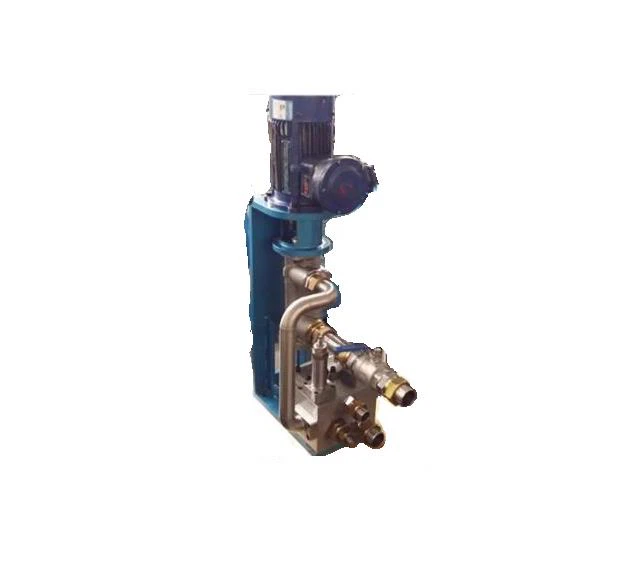
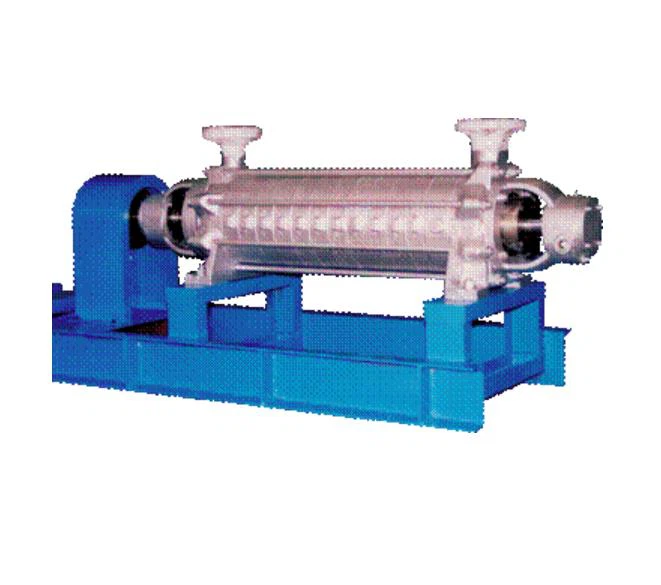
For instance, the Power Station Circulating Pump is responsible for pumping the cooling water through the condenser. When the condenser water temperature is high, the pump may need to work harder to maintain an adequate flow rate of cooling water to achieve the desired heat transfer. This can lead to increased energy consumption by the circulating pump, further reducing the overall efficiency of the power plant.
Similarly, the Power Station Feed Pump and the Power Station Oil Pump can also be affected. The feed pump is used to pump the condensed water back to the boiler. High condenser water temperatures can cause the water to have different characteristics, such as changed density and viscosity, which may require the feed pump to adjust its operation. The oil pump, which is responsible for lubricating and cooling various mechanical components in the power plant, may also face challenges as the overall operating conditions change due to the impact of high condenser water temperature.
Managing Condenser Water Temperature
To mitigate the negative impact of high condenser water temperatures on power plant efficiency, power plant operators can adopt several strategies. One common approach is to use a cooling tower. Cooling towers work by evaporating a portion of the circulating water to remove heat, thus reducing the temperature of the water before it re - enters the condenser.
Another strategy is to optimize the operation of the circulating water system. This can involve adjusting the flow rate of the cooling water based on the actual operating conditions of the power plant. For example, during periods of high ambient temperatures, increasing the flow rate of the cooling water can help maintain a lower condenser water temperature.
The Supplier's Role
As a power station condenser supplier, we play a crucial role in helping power plant operators manage the impact of condenser water temperature. We offer condensers that are designed to be highly efficient even under varying water temperature conditions. Our condensers are engineered with advanced heat transfer technologies and materials to maximize the heat transfer rate while minimizing pressure drop.
We also provide comprehensive technical support to power plant operators. This includes assisting in the design of the cooling water system, optimizing the operation of the condenser, and offering solutions for maintaining the condenser's performance over its lifespan.
Conclusion
In conclusion, the temperature of condenser water has a profound impact on power plant efficiency. High condenser water temperatures can lead to reduced turbine efficiency, increased backpressure, and decreased power output. Moreover, it can affect the operation of other important components in the power plant, such as the circulating pump, feed pump, and oil pump.
To ensure the efficient and reliable operation of power plants, it is essential to manage condenser water temperature effectively. As a power station condenser supplier, we are committed to providing high - quality condensers and technical support to help power plant operators overcome the challenges posed by condenser water temperature variations.
If you are a power plant operator looking to improve the efficiency of your power plant or need high - quality power station condensers, we invite you to contact us for a detailed discussion on how we can meet your specific requirements.
References
- DOE, Power Plant Cooling Technologies. U.S. Department of Energy Office of Energy Efficiency and Renewable Energy.
- Kerlin, T. W. and Traupel, W., Thermodynamics and Heat Power. SI Version, McGraw - Hill, 1994.
- El - Wakil, M. M., Powerplant Technology. McGraw - Hill, 1984.


