

Hey there! As a supplier of Power Station Oil Pumps, I often get asked about the materials used in the casing of these pumps. So, I thought I'd write this blog to shed some light on this topic.
First off, let's talk about why the casing material matters. The casing of a power station oil pump is like its armor. It has to protect the internal components from all sorts of stuff - things like the high - pressure oil flowing through it, mechanical stresses, and even corrosion. A good casing material ensures the pump's reliability and longevity, which is super important in a power station where any breakdown can lead to big problems.
One of the most commonly used materials for power station oil pump casings is cast iron. Cast iron is a classic choice, and for good reasons. It's got excellent casting properties, which means it can be easily shaped into the complex designs that oil pump casings often require. It's also relatively inexpensive compared to some other materials. Cast iron has good wear resistance, which is crucial as the oil flowing through the pump can carry small particles that could cause abrasion over time. However, it does have its drawbacks. Cast iron is quite brittle, and it can crack under high - impact loads. Also, it's not the best when it comes to corrosion resistance, especially in environments where the oil might be contaminated with water or other corrosive substances.
Another popular material is stainless steel. Stainless steel is a real workhorse in the world of power station oil pump casings. It has outstanding corrosion resistance, which makes it ideal for use in harsh environments. Whether it's dealing with salt - laden air in coastal power stations or acidic contaminants in the oil, stainless steel can hold up well. It's also strong and ductile, meaning it can withstand a fair amount of mechanical stress without breaking. The only downside is that stainless steel is more expensive than cast iron. But if you're looking for a long - lasting, reliable casing that can handle tough conditions, it's definitely worth the extra cost.
Some power station oil pump casings are made from bronze. Bronze is an alloy of copper and tin, and it has some unique properties. It has excellent anti - seizure characteristics, which means that the moving parts inside the pump are less likely to stick together. This is really important for the smooth operation of the pump. Bronze also has good corrosion resistance, especially in marine environments. However, like stainless steel, bronze is relatively expensive. And it's not as strong as some other materials, so it might not be suitable for high - pressure applications.
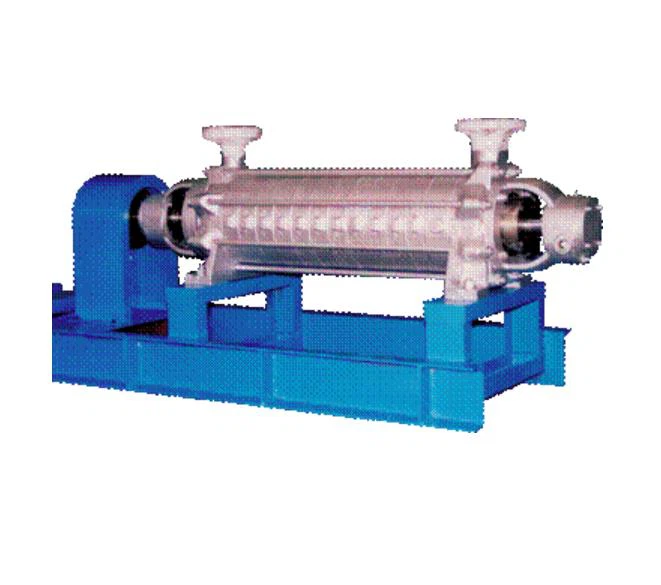
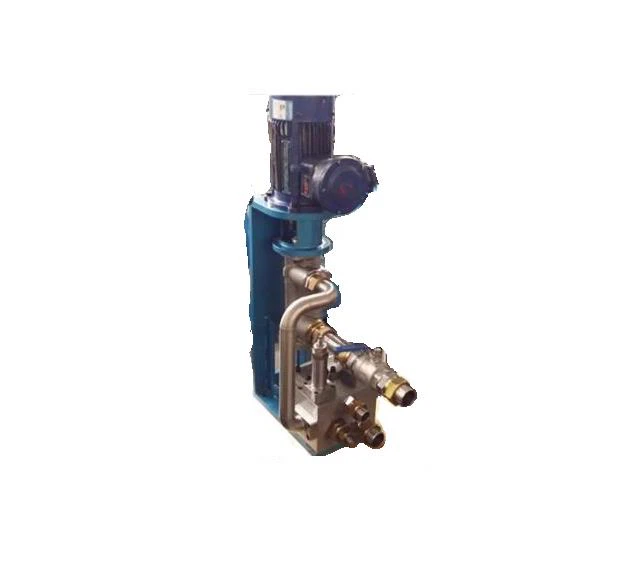
There are also cases where composite materials are used. Composite materials are made by combining two or more different materials to get the best of both worlds. For example, a composite casing might combine a strong, lightweight polymer with a reinforcing fiber. These materials can be designed to have specific properties, like high strength - to - weight ratio, good corrosion resistance, and low thermal expansion. The advantage of composite materials is that they can be tailored to meet the exact requirements of the power station oil pump. But the manufacturing process for composites can be complex and costly, which limits their widespread use.
Now, when choosing the material for a power station oil pump casing, several factors come into play. The operating conditions are a big one. If the pump is going to be used in a high - temperature environment, a material with good heat resistance is essential. For example, some stainless steels can maintain their strength and corrosion resistance at high temperatures. The pressure rating of the pump is also important. High - pressure pumps need casings made from strong materials that can withstand the forces without deforming or failing.
The type of oil being pumped is another consideration. If the oil has a high viscosity, the pump might need a casing material that can handle the extra stress caused by the thick fluid. And if the oil is likely to be contaminated with abrasive particles, a wear - resistant material like cast iron or stainless steel would be a good choice.
As a supplier of Power Station Oil Pump, we understand the importance of choosing the right casing material. We work closely with our customers to understand their specific needs and recommend the most suitable material for their power station oil pumps. We also offer other related products like Power Station Oil Cooler and Power Station Feed Pump.
If you're in the market for a power station oil pump or need to replace the casing of your existing pump, I'd love to have a chat with you. We can discuss your requirements in detail and find the best solution for your power station. Whether it's a cast - iron casing for a budget - conscious project or a high - end stainless - steel casing for a demanding application, we've got you covered. So, don't hesitate to reach out and start the conversation about your power station oil pump needs.
References
- "Materials Science and Engineering: An Introduction" by William D. Callister Jr. and David G. Rethwisch
- "Handbook of Industrial Power Systems" by Mehdi Ferdowsi and Nima Amjady


