
Rate capability is a crucial performance metric for batteries, especially in applications where rapid charging and discharging are required. As a leading supplier of Lithium Titanate Batteries (LTO), I am often asked about the rate capability of these innovative energy storage solutions. In this blog post, I will delve into the concept of rate capability, explain how it applies to Lithium Titanate Batteries, and highlight the advantages that our products offer in this regard.
Understanding Rate Capability
Rate capability refers to a battery's ability to deliver or accept charge at different rates. It is typically expressed in terms of C-rate, which is a measure of the charging or discharging current relative to the battery's rated capacity. For example, a 1C rate means that the battery is charged or discharged in one hour, while a 2C rate means that the process is completed in half an hour. A higher C-rate indicates a faster charging or discharging speed.
The rate capability of a battery is influenced by several factors, including the electrode materials, electrolyte, battery design, and temperature. Batteries with high rate capability can provide high power output, which is essential for applications such as electric vehicles, power tools, and grid energy storage.
Rate Capability of Lithium Titanate Batteries
Lithium Titanate Batteries are known for their excellent rate capability compared to other types of lithium-ion batteries. This is primarily due to the unique properties of the lithium titanate (Li4Ti5O12) anode material.
Fast Ion Diffusion
Lithium titanate has a spinel crystal structure that provides a three-dimensional diffusion path for lithium ions. This allows lithium ions to move quickly in and out of the anode during charging and discharging, enabling high current densities. In contrast, traditional graphite anodes have a two-dimensional diffusion path, which limits the rate of ion diffusion and can lead to slower charging and discharging rates.
Low Volume Change
During the charging and discharging process, lithium titanate experiences very little volume change. This is in stark contrast to graphite anodes, which can expand and contract significantly, causing mechanical stress and degradation over time. The low volume change of lithium titanate ensures the structural stability of the electrode, even at high C-rates, which helps to maintain the battery's performance and cycle life.
High Overpotential for Lithium Plating
Lithium plating is a phenomenon that can occur in lithium-ion batteries when lithium ions are deposited on the anode surface instead of being intercalated into the electrode material. This can lead to short circuits, reduced battery performance, and safety issues. Lithium titanate has a high overpotential for lithium plating, which means that it is less likely to experience this problem, even at high charging rates.
Advantages of Our Lithium Titanate Batteries in Terms of Rate Capability
As a supplier of Lithium Titanate Batteries, we offer a range of products that are designed to meet the high rate capability requirements of various applications. Our batteries have the following advantages:

High C-Rate Performance
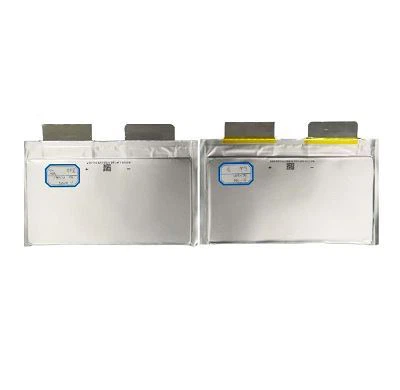
Our Lithium Titanate Batteries can be charged and discharged at very high C-rates. For example, our Lithium Titanate Battery Single Cell Model LTT75 can support a continuous discharge rate of up to 10C and a pulse discharge rate of up to 20C. This allows for rapid energy transfer, making our batteries suitable for applications that require high power output, such as electric vehicles and hybrid electric vehicles.
Long Cycle Life at High C-Rates
Despite the high C-rates, our Lithium Titanate Batteries have a long cycle life. The stable structure of the lithium titanate anode and the low volume change during cycling ensure that the battery can withstand thousands of charge-discharge cycles without significant degradation. This makes our batteries a cost-effective solution for applications that require frequent charging and discharging, such as grid energy storage and renewable energy systems.
Safety and Reliability
The high overpotential for lithium plating in our Lithium Titanate Batteries enhances their safety and reliability, especially at high C-rates. This reduces the risk of short circuits and thermal runaway, which are major concerns in battery applications. Additionally, our batteries are designed with advanced safety features, such as overcharge and over-discharge protection, to ensure safe operation in all conditions.
Applications of Lithium Titanate Batteries with High Rate Capability
The excellent rate capability of our Lithium Titanate Batteries makes them suitable for a wide range of applications:
Electric Vehicles (EVs) and Hybrid Electric Vehicles (HEVs)
In EVs and HEVs, high rate capability is essential for fast acceleration and regenerative braking. Our Lithium Titanate Batteries can provide the high power output required for rapid acceleration and can quickly absorb energy during regenerative braking, improving the overall efficiency of the vehicle.
Grid Energy Storage
Grid energy storage systems need to be able to charge and discharge quickly to balance the supply and demand of electricity. Our Lithium Titanate Batteries can be charged and discharged at high C-rates, allowing them to respond rapidly to changes in the grid, such as sudden increases or decreases in electricity demand.
Power Tools
Power tools require high power output for short periods. Our Lithium Titanate Batteries can deliver the high current needed for power-hungry tools, such as drills and saws, and can be recharged quickly, reducing downtime.
Conclusion
In conclusion, the rate capability of Lithium Titanate Batteries is one of their most significant advantages. The unique properties of the lithium titanate anode, including fast ion diffusion, low volume change, and high overpotential for lithium plating, enable these batteries to charge and discharge at high C-rates while maintaining excellent performance and cycle life.
As a supplier of Lithium Titanate Batteries, we are committed to providing high-quality products that meet the demanding requirements of our customers. Our Lithium Titanate Battery Single Cell Model LTT75 and Lithium Titanate Battery Single Cell Model LTT95 are designed to offer exceptional rate capability, long cycle life, and high safety.
If you are interested in learning more about our Lithium Titanate Batteries or are looking for a reliable energy storage solution for your application, we encourage you to contact us for a detailed discussion. Our team of experts is ready to assist you in finding the best battery solution for your needs.
References
- Arumugam Manthiram, "Lithium Batteries: Science and Technology", Springer, 2017.
- John B. Goodenough, "Fundamentals of Lithium-Ion Batteries", Wiley, 2017.
- Yury Gogotsi, "Nanomaterials for Energy Storage and Conversion", CRC Press, 2014.


