

In the complex ecosystem of a coal-fired power plant, each component plays a crucial role in ensuring efficient and reliable electricity generation. Among these components, the condenser stands out as a key player, contributing significantly to the overall performance and sustainability of the power generation process. As a leading supplier to coal-fired power plants, I have witnessed firsthand the importance of condensers and their impact on plant operations. In this blog post, I will delve into the role of a condenser in a coal-fired power plant, exploring its functions, types, and the benefits it offers.
Understanding the Basics of a Coal-Fired Power Plant
Before we dive into the role of a condenser, let's briefly review the basic principles of a coal-fired power plant. The primary goal of a coal-fired power plant is to convert the chemical energy stored in coal into electrical energy. This process involves several stages, including coal combustion, steam generation, power generation, and steam condensation.
- Coal Combustion: Coal is burned in a boiler to produce heat. The heat is then transferred to water, which is converted into high-pressure steam.
- Steam Generation: The high-pressure steam is directed into a steam turbine. As the steam expands through the turbine, it causes the turbine blades to rotate, converting the thermal energy of the steam into mechanical energy.
- Power Generation: The rotating turbine is connected to a generator, which converts the mechanical energy into electrical energy.
- Steam Condensation: After passing through the turbine, the low-pressure steam needs to be condensed back into water. This is where the condenser comes into play.
The Role of a Condenser in a Coal-Fired Power Plant
The condenser is a heat exchanger that plays a critical role in the steam cycle of a coal-fired power plant. Its main function is to condense the exhaust steam from the turbine back into water, which can then be reused in the boiler. This process offers several important benefits:
1. Improving Thermal Efficiency
One of the primary functions of a condenser is to improve the thermal efficiency of the power plant. By condensing the exhaust steam, the condenser reduces the pressure at the turbine outlet, allowing the steam to expand more fully in the turbine. This results in a greater conversion of thermal energy into mechanical energy, thereby increasing the overall efficiency of the power plant. According to industry standards, a well-designed condenser can improve the thermal efficiency of a coal-fired power plant by up to 10%.
2. Recycling Water
In a coal-fired power plant, water is a valuable resource. The condenser helps to conserve water by recycling the condensed steam back into the boiler. This reduces the need for fresh water intake, which is especially important in regions where water is scarce. Additionally, recycling water reduces the environmental impact of the power plant by minimizing water consumption and wastewater discharge.
3. Maintaining Turbine Performance
The condenser also plays a crucial role in maintaining the performance of the steam turbine. By condensing the exhaust steam, the condenser creates a vacuum at the turbine outlet, which helps to prevent air from entering the turbine. This is important because air in the turbine can reduce its efficiency and cause damage to the turbine blades. Additionally, the condenser helps to remove non-condensable gases from the steam, such as oxygen and carbon dioxide, which can also reduce turbine efficiency and cause corrosion.
4. Enhancing Plant Safety
Finally, the condenser contributes to the safety of the power plant. By condensing the exhaust steam, the condenser reduces the pressure and temperature of the steam, which helps to prevent overheating and damage to the turbine and other components. Additionally, the condenser helps to prevent the release of steam and hot water into the environment, which can pose a safety hazard to plant workers and the surrounding community.
Types of Condensers Used in Coal-Fired Power Plants
There are several types of condensers used in coal-fired power plants, each with its own advantages and disadvantages. The most common types of condensers include:
1. Surface Condensers
Surface condensers are the most widely used type of condenser in coal-fired power plants. They consist of a shell and tube heat exchanger, where the exhaust steam from the turbine flows over the outside of the tubes, while the cooling water flows through the tubes. The steam is condensed on the surface of the tubes, and the condensed water is collected at the bottom of the condenser. Surface condensers are known for their high efficiency and reliability, but they require a large amount of cooling water and can be expensive to install and maintain.
2. Jet Condensers
Jet condensers are another type of condenser used in coal-fired power plants. They work by injecting a jet of cooling water into the exhaust steam, which causes the steam to condense. The condensed water and the cooling water are then mixed together and discharged from the condenser. Jet condensers are simpler and less expensive than surface condensers, but they are less efficient and require more cooling water.

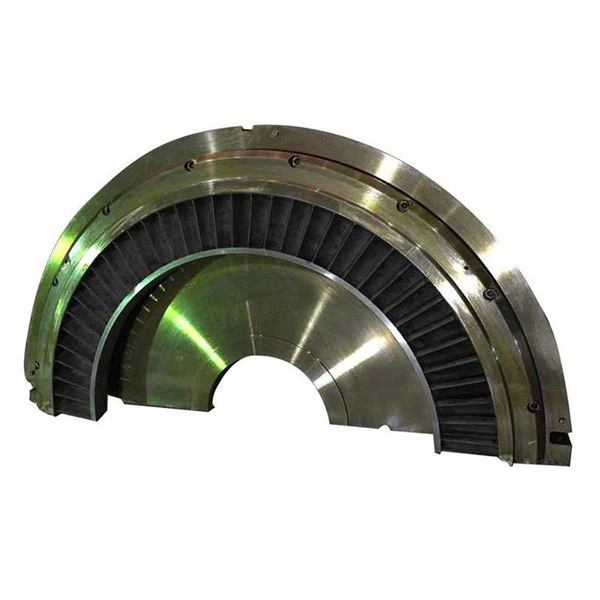
3. Air-Cooled Condensers
Air-cooled condensers are a relatively new type of condenser that is becoming increasingly popular in coal-fired power plants. They work by using air to cool the exhaust steam instead of water. Air-cooled condensers are more environmentally friendly than water-cooled condensers because they do not require a large amount of water. However, they are less efficient than water-cooled condensers and can be more expensive to install and operate.
Our Offerings for Coal-Fired Power Plants
As a leading supplier to coal-fired power plants, we offer a wide range of products and services to meet the needs of our customers. In addition to condensers, we also supply other critical components for coal-fired power plants, such as OEM, ODM Casting Steam Turbine Diaphragm Welded Steam Turbine Diaphragm and CAP & LINER For GE FRAME 6B. Our DTEC Steam Recovery Equipment Condenser For Power Plant is designed to provide high efficiency and reliability, helping to improve the performance and sustainability of your power plant.
Conclusion
In conclusion, the condenser is a critical component in a coal-fired power plant, playing a vital role in improving thermal efficiency, recycling water, maintaining turbine performance, and enhancing plant safety. As a supplier to coal-fired power plants, we understand the importance of providing high-quality condensers and other components to ensure the reliable and efficient operation of your power plant. If you are interested in learning more about our products and services, or if you have any questions about the role of a condenser in a coal-fired power plant, please do not hesitate to contact us. We look forward to the opportunity to discuss your specific needs and provide you with the best solutions for your power plant.
References
- "Power Plant Engineering" by P. K. Nag
- "Thermal Power Plant: Design and Operation" by V. K. Mehta and Rohit Mehta
- "Coal-Fired Power Generation: Technologies, Performance, and Environmental Impact" by IEA Clean Coal Centre


