

In the intricate machinery of a power station, the condenser stands as a crucial component, playing a pivotal role in the overall efficiency and performance of the power generation process. At the heart of this condenser lies the condenser shell, a seemingly simple yet indispensable part that significantly impacts the condenser's functionality. As a leading supplier of Power Station Condensers, I am excited to delve into the multifaceted role of the condenser shell and its importance in power station operations.
Structural Foundation and Protection
The condenser shell serves as the structural backbone of the condenser, providing a robust enclosure for all internal components. It is designed to withstand high pressures and temperatures, ensuring the integrity of the condenser under various operating conditions. The shell is typically constructed from high - quality materials such as carbon steel or stainless steel, chosen for their strength, durability, and corrosion resistance.
This protective casing shields the delicate internal tubes and other components from external environmental factors, such as dust, moisture, and physical damage. By preventing contaminants from entering the condenser, the shell helps to maintain the purity of the working fluid and prolongs the lifespan of the condenser. Additionally, it provides a safe and secure environment for the condensation process to occur, protecting operators and other equipment in the power station.
Containment of Working Fluids
One of the primary functions of the condenser shell is to contain the working fluids involved in the condensation process. In a power station condenser, steam from the turbine enters the condenser and is condensed back into water. The shell holds the steam and the cooling water, ensuring that they are separated by the condenser tubes. This separation is essential for efficient heat transfer, as it allows the steam to release its latent heat to the cooling water without mixing the two fluids.
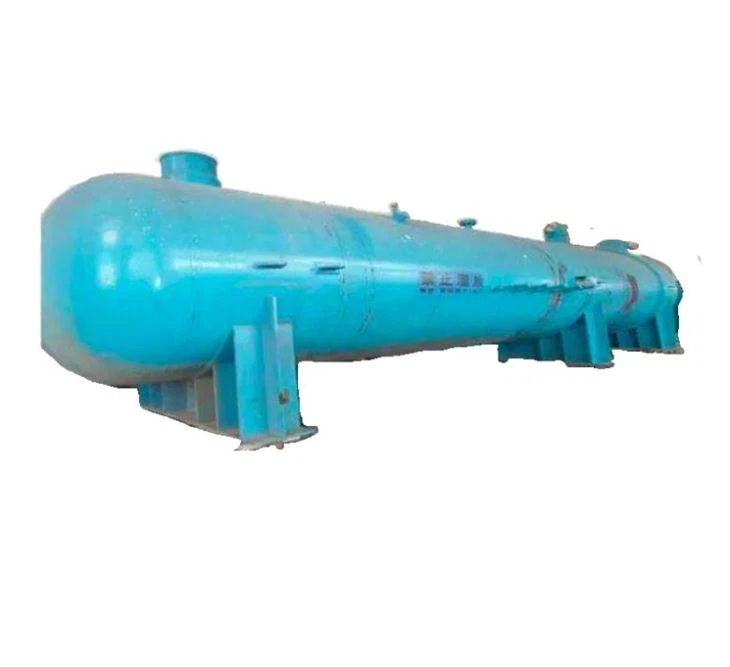
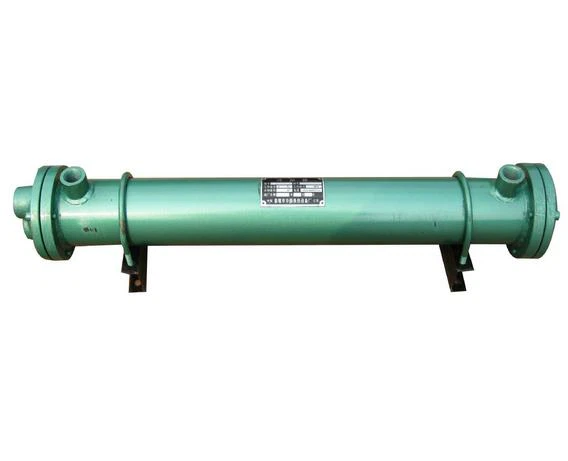
The shell is designed with specific inlet and outlet ports for the steam and cooling water. The steam enters the condenser through the steam inlet, and as it passes over the condenser tubes, it loses heat to the cooling water flowing inside the tubes. The condensed steam, now in the form of water, collects at the bottom of the shell and is removed through the condensate outlet. Meanwhile, the cooling water enters the condenser through the cooling water inlet, absorbs the heat from the steam, and exits through the cooling water outlet.
Facilitation of Heat Transfer
Efficient heat transfer is the cornerstone of a power station condenser's performance, and the condenser shell plays a vital role in this process. The shell's design and construction are optimized to maximize the surface area available for heat exchange between the steam and the cooling water. It provides a large and stable space for the steam to come into contact with the condenser tubes, allowing for effective heat transfer.
The shell also helps to maintain the proper flow of steam and cooling water within the condenser. It is designed to ensure that the steam is evenly distributed across the condenser tubes, preventing hot spots and ensuring uniform condensation. Similarly, it guides the flow of cooling water through the tubes, maximizing the contact time between the steam and the cooling water and enhancing the heat transfer efficiency.
Support for Condenser Tubes
The condenser tubes are the primary heat transfer elements in the condenser, and the shell provides crucial support for these tubes. The tubes are typically arranged in a bundle inside the shell and are held in place by tube sheets. The shell ensures that the tube sheets are securely mounted and that the tubes are properly aligned, preventing any misalignment or vibration that could reduce the heat transfer efficiency or cause damage to the tubes.
Moreover, the shell protects the tubes from external forces and stresses. It absorbs any mechanical shocks or vibrations that may occur during operation, preventing them from being transmitted to the tubes. This protection helps to maintain the integrity of the tubes and ensures their long - term performance.
Integration with Other Power Station Equipment
The condenser shell is not an isolated component but is integrated with other key equipment in the power station. It is connected to the turbine, the feedwater system, and the cooling system, forming a seamless part of the power generation process.
For example, the condenser shell is directly connected to the turbine exhaust, receiving the steam from the turbine. It is also connected to the feedwater system, as the condensed steam (condensate) is returned to the boiler to be reused in the power generation cycle. Additionally, it is linked to the cooling system, which provides the necessary cooling water for the condensation process.
In addition to these connections, the condenser shell can also be integrated with other balance - of - plant equipment. For instance, it can work in conjunction with Power Station HP and LP Heater, which are used to pre - heat the feedwater before it enters the boiler. The condenser shell can also be related to Power Station Feed Pump, which is responsible for pumping the condensate and feedwater through the power station systems. And Power Station Oil Cooler can also be part of the overall power station setup, where the condenser shell's proper functioning can impact the overall thermal balance and efficiency of the power station.
Impact on Power Station Efficiency and Performance
The performance of the condenser shell has a direct impact on the efficiency and performance of the power station. A well - designed and properly functioning condenser shell can significantly improve the overall efficiency of the power generation process. By facilitating efficient heat transfer, it allows the power station to convert more of the steam's energy into electrical energy, reducing fuel consumption and operating costs.
On the other hand, a faulty or inefficient condenser shell can lead to a range of problems, such as reduced condensation efficiency, increased backpressure on the turbine, and higher energy consumption. These issues can result in decreased power output, increased maintenance requirements, and higher operating costs. Therefore, ensuring the proper design, installation, and maintenance of the condenser shell is essential for the optimal performance of the power station.
Conclusion
The condenser shell is a fundamental component of a power station condenser, playing a wide range of critical roles. From providing structural support and protection to facilitating heat transfer and integrating with other power station equipment, it is an essential part of the power generation process. As a Power Station Condenser supplier, we understand the importance of high - quality condenser shells in ensuring the efficiency and reliability of power stations.
If you are in the market for a power station condenser or need to upgrade your existing condenser system, we invite you to contact us for a detailed discussion. Our team of experts can provide you with customized solutions tailored to your specific requirements, ensuring that you get the best performance and value from your power station condenser. Let's work together to enhance the efficiency and productivity of your power station.
References
- "Power Plant Engineering" by P. K. Nag.
- "Thermal Power Plant: Design and Operation" by V. K. Mehta and Rohit Mehta.
- Technical literature from industry - leading power station equipment manufacturers.


