

A power station feed pump is a crucial component in a power generation system, responsible for supplying high-pressure feedwater to the boiler. Proper shutdown procedures are essential to ensure the safety, reliability, and longevity of the pump and the overall power station. As a leading supplier of Power Station Feed Pumps, we understand the importance of following the correct shutdown process. In this blog, we will delve into the detailed shutdown procedure of a power station feed pump.
Pre - Shutdown Checks
Before initiating the shutdown process, a series of pre - shutdown checks must be carried out. These checks are designed to ensure that the pump and associated systems are in a stable condition and that the shutdown can be performed safely.
-
Inspect Pump Parameters
- Check the pump's operating parameters such as flow rate, pressure, and temperature. Compare these values with the normal operating range. Any significant deviations may indicate a problem that needs to be addressed before shutdown. For example, if the pump discharge pressure is abnormally high, it could be due to a blockage in the downstream piping.
- Monitor the vibration levels of the pump. Excessive vibration can be a sign of mechanical issues such as misalignment or worn bearings. If high vibration is detected, it is advisable to investigate and rectify the problem before shutting down the pump.
-
Verify Auxiliary Systems
- Check the lubrication system of the pump. Ensure that the oil level in the lubricating oil reservoir is within the recommended range. The oil should be clean and free from contaminants. A proper lubrication system is vital for the smooth operation of the pump's bearings and other moving parts.
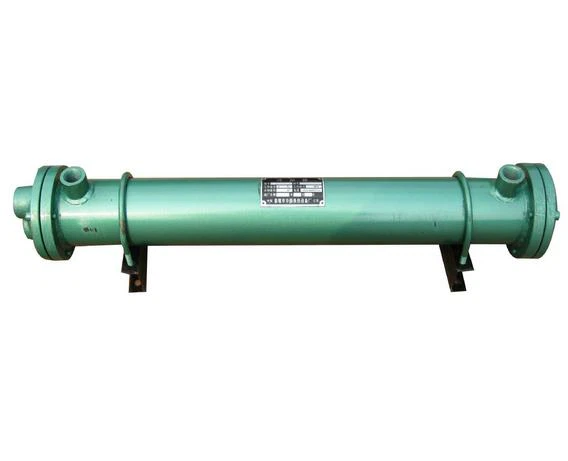
- Examine the cooling system. The Power Station Oil Cooler plays a crucial role in maintaining the proper temperature of the pump's oil. Make sure that the cooling water flow is normal and that the cooler is functioning effectively.
- Confirm the operation of the sealing system. A well - functioning sealing system prevents leakage of the pumped fluid. Check for any signs of leakage around the pump seals.
-
Coordinate with Other Systems
- Communicate with the boiler control room and other relevant departments in the power station. Inform them about the upcoming shutdown of the feed pump. This is important as the shutdown of the feed pump will affect the boiler's water supply and the overall power generation process.
- Ensure that alternative feedwater sources or backup pumps are ready to be activated if necessary. This will help to maintain the stability of the power station during the shutdown and startup of the feed pump.
Shutdown Steps
Once the pre - shutdown checks are completed and all systems are deemed to be in a satisfactory condition, the actual shutdown process can begin.
-
Reduce Load Gradually
- Start by gradually reducing the pump's load. This can be achieved by adjusting the pump's speed or by throttling the discharge valve. Reducing the load slowly helps to prevent sudden pressure changes and water hammer in the piping system. Water hammer can cause significant damage to the pipes, valves, and other components of the power station.
- Monitor the pump's operating parameters during the load reduction process. Ensure that the pump remains within its stable operating range.
-
Stop the Pump
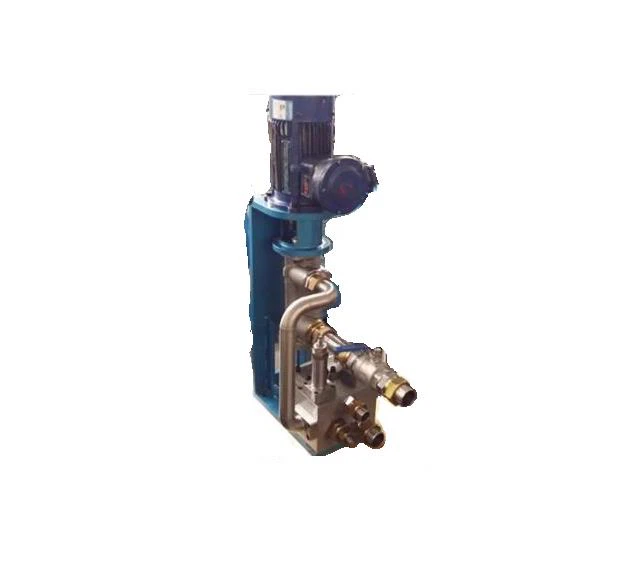
- After the load has been reduced to a minimum, stop the pump motor. This can be done by using the motor's control switch or through the power station's automation system. Once the motor is stopped, the pump will gradually come to a halt.
- Observe the pump's deceleration process. Listen for any abnormal noises or vibrations during this time. If any issues are detected, take appropriate action immediately.
-
Isolate the Pump
- Close the discharge valve of the pump. This prevents backflow of water from the boiler into the pump and also isolates the pump from the high - pressure side of the system.
- Close the suction valve of the pump. This stops the flow of water into the pump and further isolates it from the feedwater source.
- If the pump has a recirculation line, close the recirculation valve as well.
-
Drain the Pump and Piping
- Open the drain valves on the pump and the associated piping. This allows the remaining water in the pump and pipes to drain out. Draining the pump helps to prevent freezing in cold weather and also reduces the risk of corrosion.
- Collect the drained water in a suitable container and dispose of it in accordance with the power station's environmental regulations.
-
Shut Down Auxiliary Systems
- Stop the lubrication oil pump. This will stop the flow of lubricating oil to the pump's bearings. However, make sure that the oil has sufficient time to cool down before completely shutting off the oil circulation.
- Turn off the cooling water supply to the Power Station Oil Cooler. This helps to conserve water and energy.
Post - Shutdown Maintenance
After the pump has been shut down, it is important to carry out post - shutdown maintenance to ensure its readiness for future operation.
-
Inspection and Cleaning
- Open the pump casing and inspect the internal components such as the impeller, bearings, and seals. Look for signs of wear, damage, or corrosion. Replace any worn or damaged parts as necessary.
- Clean the pump and its components thoroughly. Remove any dirt, debris, or scale that may have accumulated inside the pump. This will improve the pump's efficiency and reliability.
-
Lubrication and Greasing
- If the pump has been shut down for an extended period, it is advisable to lubricate the bearings and other moving parts. Use the recommended lubricants and follow the manufacturer's guidelines for lubrication.
- Check the grease levels in the bearing housings and replenish them if needed.
-
Testing and Calibration
- Perform electrical tests on the pump motor. Check the insulation resistance, winding resistance, and other electrical parameters. This helps to ensure the motor's safety and proper functioning.
- Calibrate the pump's instruments such as pressure gauges, flow meters, and temperature sensors. Accurate instrumentation is essential for the proper operation and monitoring of the pump.
Importance of Correct Shutdown Procedure
Following the correct shutdown procedure of a power station feed pump is of utmost importance for several reasons.
-
Safety
- A proper shutdown procedure helps to prevent accidents such as water hammer, which can cause pipes to burst and release high - pressure steam or water. This protects the personnel working in the power station from potential injuries.
- By shutting down the pump and its associated systems in a controlled manner, the risk of electrical hazards and mechanical failures is minimized.
-
Equipment Longevity
- Gradual load reduction and proper isolation of the pump during shutdown help to reduce wear and tear on the pump's components. This extends the lifespan of the pump and reduces the frequency of maintenance and replacement.
- Draining the pump and cleaning it after shutdown prevents corrosion and the accumulation of dirt and debris, which can also contribute to the long - term reliability of the pump.
-
Power Station Stability
- Coordinating the shutdown of the feed pump with other systems in the power station ensures the stability of the power generation process. It allows for a smooth transition to alternative feedwater sources or backup pumps, minimizing disruptions to the power supply.
Contact for Procurement
If you are in the market for a high - quality Power Station Feed Pump or related equipment such as Power Station Oil Pump and Power Station HP and LP Heater, we are here to assist you. Our team of experts can provide you with detailed product information, technical support, and customized solutions to meet your specific requirements. Contact us today to start the procurement process and ensure the efficient operation of your power station.
References
- Power Station Equipment Handbook
- Pump Manufacturer's Operation and Maintenance Manuals
- Power Generation Industry Standards and Guidelines


