

The working temperature range of a power station oil pump is a critical factor that significantly influences its performance, reliability, and lifespan. As a leading supplier of Power Station Oil Pump, we understand the importance of this parameter and are committed to providing high - quality pumps that can operate effectively within a wide range of temperatures.
Understanding the Basics of Power Station Oil Pumps
Power station oil pumps play a vital role in power generation facilities. They are responsible for circulating lubricating oil to various components of the power station, such as turbines, generators, and gearboxes. The lubricating oil reduces friction, dissipates heat, and protects the components from wear and tear.
The performance of a power station oil pump is closely related to the temperature of the oil it handles. Different types of power station oil pumps, including centrifugal pumps, positive displacement pumps, etc., may have different temperature requirements based on their design and application.
Factors Affecting the Working Temperature Range
Viscosity of the Oil
The viscosity of the lubricating oil is highly temperature - dependent. At low temperatures, the oil becomes more viscous, which can increase the resistance to flow. This means that the oil pump has to work harder to circulate the oil, potentially leading to increased energy consumption and reduced pump efficiency. On the other hand, at high temperatures, the oil viscosity decreases. If the temperature is too high, the oil may not provide sufficient lubrication, which can cause excessive wear on the pump components and other moving parts in the power station.
Material Compatibility
The materials used in the construction of the power station oil pump also determine its working temperature range. The pump casing, impeller, seals, and bearings are all made of specific materials that have different temperature limits. For example, some elastomeric seals may lose their elasticity and sealing properties at high temperatures, leading to oil leakage. Similarly, certain metals may experience thermal expansion and deformation at extreme temperatures, which can affect the pump's internal clearances and performance.
Cooling and Heating Systems
Power stations often have cooling and heating systems in place to maintain the oil at an appropriate temperature. Cooling systems, such as oil coolers, are used to remove excess heat from the oil when the temperature rises. Heating systems, on the other hand, are used to warm up the oil during cold startup conditions. The effectiveness of these systems can impact the actual working temperature range of the oil pump.
Typical Working Temperature Ranges
Low - Temperature Range
In general, the lower end of the working temperature range for a power station oil pump can be around - 20°C to 0°C. At these low temperatures, special precautions need to be taken. For example, the oil may need to be pre - heated before startup to reduce its viscosity. Some power station oil pumps are designed with features such as insulation or electric heating elements to help with cold - start operations.
High - Temperature Range
The upper end of the working temperature range is typically around 80°C to 100°C. At these temperatures, the oil pump needs to be able to withstand the reduced viscosity of the oil and the potential thermal stress on its components. High - quality seals and bearings are essential to prevent leakage and ensure smooth operation. Some advanced power station oil pumps are designed to operate at even higher temperatures, up to 120°C, but this usually requires more sophisticated cooling systems and high - temperature - resistant materials.
Impact of Operating Outside the Temperature Range
Low - Temperature Operation
Operating a power station oil pump below its recommended temperature range can cause several problems. As mentioned earlier, the high viscosity of the oil can lead to increased power consumption. It can also cause cavitation in the pump, which is the formation and collapse of vapor bubbles in the oil. Cavitation can damage the pump impeller and other internal components, leading to reduced pump performance and a shorter lifespan.
High - Temperature Operation
Operating above the recommended temperature range can be equally damaging. The reduced viscosity of the oil may not provide adequate lubrication, leading to increased friction and wear on the pump components. The high temperature can also cause oxidation of the oil, which can form sludge and deposits in the pump and the lubrication system. These deposits can clog the oil passages, further reducing the pump's efficiency and potentially causing component failure.
Our Solutions as a Power Station Oil Pump Supplier
As a professional supplier of Power Station Oil Pump, we offer a wide range of pumps with different working temperature ranges to meet the diverse needs of power stations. Our pumps are designed with high - quality materials that can withstand extreme temperatures.
We use advanced manufacturing techniques to ensure the precision of the pump components, which helps to maintain the pump's performance even under challenging temperature conditions. In addition, we can provide customized solutions based on the specific requirements of our customers, including the design of cooling and heating systems to optimize the working temperature of the oil pump.
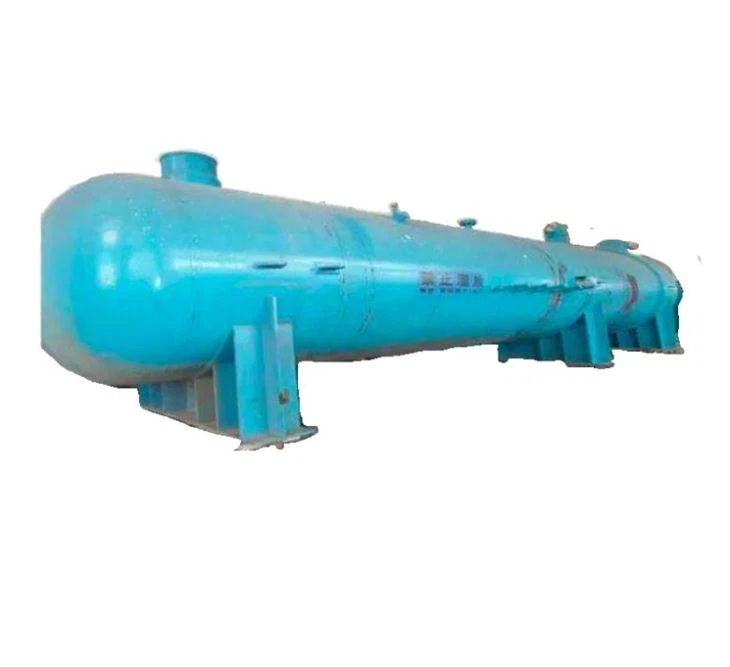
We also offer Power Station Circulating Pump and Power Station HP and LP Heater, which are complementary products to the power station oil pump. These products work together to ensure the efficient and reliable operation of the power station.
Conclusion
The working temperature range of a power station oil pump is a complex parameter that is affected by multiple factors. Understanding this range is crucial for the proper operation and maintenance of power station equipment. As a trusted supplier, we are dedicated to providing high - quality power station oil pumps and related products that can operate effectively within a wide temperature range.
If you are in the market for power station oil pumps or have any questions about their working temperature range, we invite you to contact us for further discussion and procurement negotiation. We look forward to serving you and helping you optimize the performance of your power station.

References
- "Handbook of Power Plant Engineering"
- "Lubrication Fundamentals for Power Generation Equipment"
- Technical manuals of power station oil pump manufacturers.


