
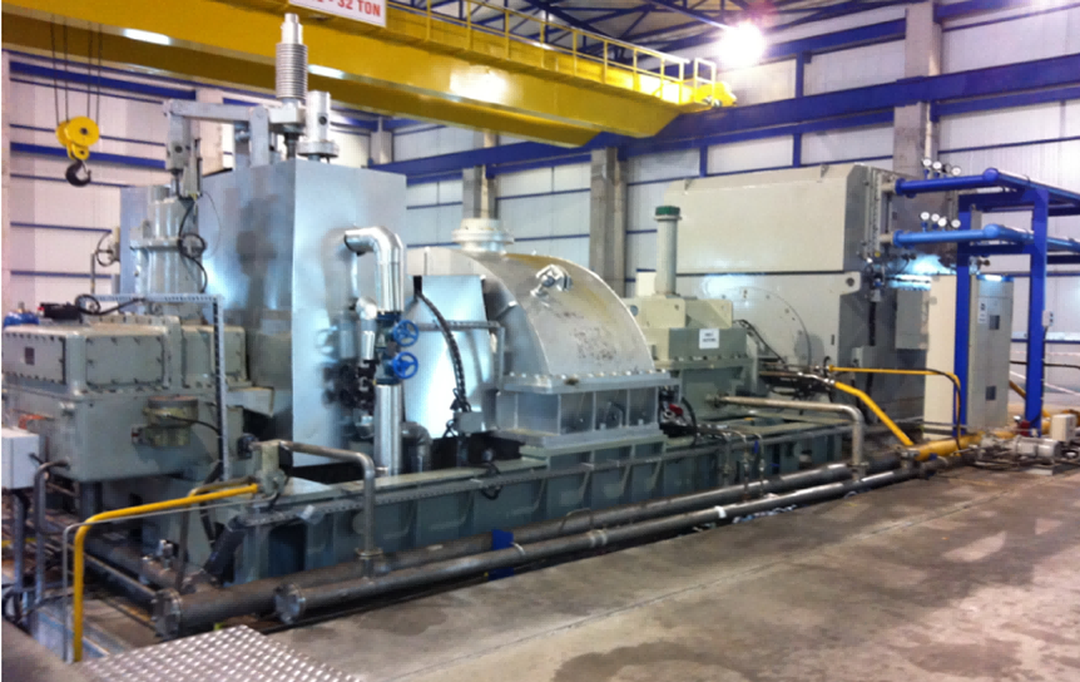
Dongturbo Electric Company Ltd. (DTEC), a recognized supplier and engineering solutions provider within the global thermal power generation sector, announced the strategic expansion of its full-lifecycle project support, emphasizing end-to-end capabilities from design conceptualization through final commissioning. This integrated approach is particularly focused on serving the critical, medium-capacity power market segment. DTEC is strengthening its position as a specialized China 20MW Steam turbine manufacturer, offering complete turbine sets and comprehensive power island solutions. A 20MW steam turbine typically represents a medium-scale industrial unit used primarily in captive power plants, Combined Heat and Power (CHP) facilities, or biomass/waste-to-energy projects. It functions by converting high-pressure, high-temperature steam into mechanical work to drive a generator, utilizing robust design principles to ensure reliable operation and efficiency under industrial load profiles.
I. Market Dynamics: Decentralization, Industrial Power, and Project Efficiency
The thermal power market is increasingly defined by the need for distributed, efficient, and flexible energy solutions, creating sustained demand for medium-capacity turbine sets and comprehensive project execution services.
1. The Growth of Decentralized and Industrial Power
The global trend toward industrial self-sufficiency and localized energy security drives the demand for medium-capacity thermal units (typically ranging from 10MW to 50MW) that can serve specific industrial or municipal needs.
Combined Heat and Power (CHP) Expansion: The economic advantage of CHP, or cogeneration, lies in utilizing waste heat from electricity generation for industrial processes or district heating. Steam turbines in the 20MW range are ideally suited for this application, requiring manufacturers to deliver turbines designed for both power output and reliable steam extraction, maximizing overall energy utilization efficiency.
Waste-to-Energy and Biomass: Regulatory mandates and sustainability goals are accelerating the adoption of power plants fueled by biomass and municipal solid waste (MSW). These projects typically utilize mid-sized steam turbines designed to handle varying steam conditions often associated with these specialized fuels. The success of these projects depends not only on the turbine quality but also on the seamless integration of the entire power island equipment.
Project Execution Risk Mitigation: For mid-sized projects, clients seek integrated solutions rather than managing multiple vendors. A manufacturer capable of handling the entire project lifecycle-from engineering design to commissioning-significantly reduces complexity, procurement timelines, and the overall technical risk for the project owner.
2. The Demand for Integrated Design-to-Commissioning Services
The increasing complexity of modern power projects, coupled with globalized supply chains, places a premium on suppliers who can offer unified project management and technical liability.
Design-Phase Value Engineering: Early involvement in the project design phase allows the turbine manufacturer to optimize the unit specification (e.g., turbine type, speed, extraction/condensing features) to perfectly match the steam source (boiler) and the end-user's energy profile. This value engineering approach maximizes the long-term energy efficiency of the entire power plant.
Technical Compliance and Interoperability: A single-source provider is responsible for ensuring the technical interoperability between the turbine, the connected generator, the control systems (DCS/DEH), and all auxiliary systems (lubrication, cooling). This guarantees that the final installed plant meets specified performance parameters and international grid code compliance requirements.
Post-Installation Support: The lifecycle cost of a turbine is heavily influenced by the speed and effectiveness of commissioning and subsequent maintenance. Manufacturers offering comprehensive support from start-up to full operation provide greater long-term assurance, which is particularly valuable for operators in remote or less-developed regions.
II. DTEC's Full-Lifecycle Advantage and Core Capabilities
DTEC differentiates itself by integrating deep manufacturing capabilities with extensive project engineering and field service experience, offering a proven path for seamless project execution in the medium-capacity segment.

1. Integrated Engineering and Manufacturing Excellence
DTEC's advantage stems from its ability to tightly control the quality and schedule of both the physical product and the associated engineering deliverables.
Precision Manufacturing: The core of the 20MW unit-the rotor, casing, blades, and diaphragms-is manufactured using DTEC's established high-precision processes. This includes advanced CNC machining for critical components and specialized heat treatments to ensure material integrity and operational reliability under continuous load.
Design Flexibility: DTEC offers flexibility in turbine design to meet specific customer requirements, including various types such as back-pressure turbines (for industrial process steam) and condensing turbines (for maximum power generation). The ability to customize steam inlet conditions and extraction points is key to optimizing performance in CHP and process applications.
Supplier Qualification and Quality Control: As a long-standing supplier in the energy market, DTEC maintains rigorous quality assurance protocols, including certified welding procedures and comprehensive Non-Destructive Testing (NDT) on critical pressure parts (e.g., casing and rotor). This quality commitment is essential for gaining acceptance in regulated international markets.
2. Scope of Supply: From Design to Grid Synchronization
DTEC's full-lifecycle support covers every phase required to transition from a conceptual energy need to a fully operational power unit.
Design and Layout: The process begins with detailed engineering services, including 3D plant modeling, foundation design assistance, and pipe routing optimization. This early collaboration ensures the physical layout and technical interface of the turbine set (including the generator and auxiliaries) are fully integrated with the client's existing infrastructure.
Turbine and Auxiliary Equipment: DTEC provides the complete turbine set, generator, and all necessary auxiliary systems, including the Digital Electric Hydraulic (DEH) control system, lubrication oil system, vacuum system (for condensing turbines), and sealing system. Offering this single-package supply minimizes interface risk.
Site Services and Commissioning: The most critical stage is the final installation and commissioning. DTEC provides experienced site technical teams for supervision of installation, alignment, cold/hot commissioning, and final grid synchronization. This presence ensures that the unit achieves its guaranteed performance parameters swiftly and safely.
3. Strategic Project Application and Client Base
DTEC's integrated approach has been successfully applied across various industrial power projects globally, demonstrating both technical capability and commercial reliability. The focus on the 20MW segment allows DTEC to serve a broad base of clients, including industrial conglomerates, municipal utilities, and specialized power developers. These clients value the cost-effectiveness and technical accountability provided by a single supplier managing the entire project scope. DTEC's successful engagements with EPC contractors on international projects further affirm its compliance with major global project management and quality standards
Conclusion
Dongturbo Electric Company Ltd. is strategically positioned to serve the expanding global demand for decentralized and industrial power solutions, particularly for the mid-capacity 20MW Steam Turbine segment. By leveraging its integrated design-to-commissioning capabilities, DTEC offers clients a path to reliable, high-efficiency power generation projects while minimizing technical interface risks and streamlining execution timelines.
Further information regarding DTEC's complete steam turbine solutions and engineering services is available on the company's official website at https://www.chinaturbo.net/.


