

Hey there! I'm working for a Power Station Condenser supplier, and I'm super stoked to chat about how a power station condenser works in a biomass power plant. Biomass power plants are pretty cool because they use organic materials like wood chips, agricultural waste, and energy crops to generate electricity. And the power station condenser plays a key role in this whole electricity - making process.
The Basics of a Biomass Power Plant
Before we dive into the condenser, let's quickly go over how a biomass power plant generally operates. First off, the biomass fuel is fed into a boiler. Once in the boiler, the biomass is burned, and this combustion releases a whole lot of heat. The heat is then used to turn water into high - pressure steam. This high - pressure steam is like the powerhouse of the power plant. It's directed towards a steam turbine, which is kind of like a super - high - tech fan. As the steam blows over the turbine's blades, it makes the turbine spin really fast. The spinning turbine is connected to a generator, and that spinning motion in the generator creates electricity.
But here's the thing. After the steam has done its job in turning the turbine, it's still in a gaseous state. And to keep the power generation process efficient, we need to turn this steam back into water. That's where our hero, the power station condenser, comes in.
How the Power Station Condenser Works
Okay, let's get into the nitty - gritty of how the condenser does its magic. The steam that exits the steam turbine enters the condenser at a relatively low pressure. Inside the condenser, there are a whole bunch of tubes. These tubes are filled with cold water, usually taken from a nearby water source like a river, lake, or a cooling tower.
As the hot steam comes into contact with the cold tubes, it starts to cool down rapidly. When steam cools, it loses its heat energy and condenses back into water. This process happens because of the basic principle of thermodynamics. You see, heat always moves from a hot object to a cold object. So the heat from the steam transfers through the tube walls to the cold water flowing inside the tubes.
Once the steam has condensed into water, this water is then collected at the bottom of the condenser. This condensed water, also known as condensate, is then pumped back into the boiler to start the whole cycle all over again. This recycling of water is super important because it helps to conserve water and also makes the power plant more efficient.
Key Components of a Power Station Condenser
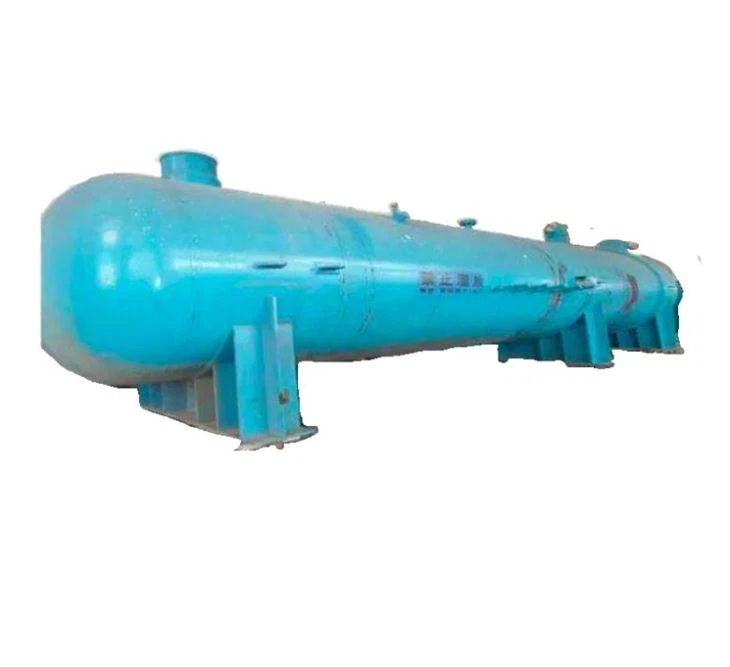
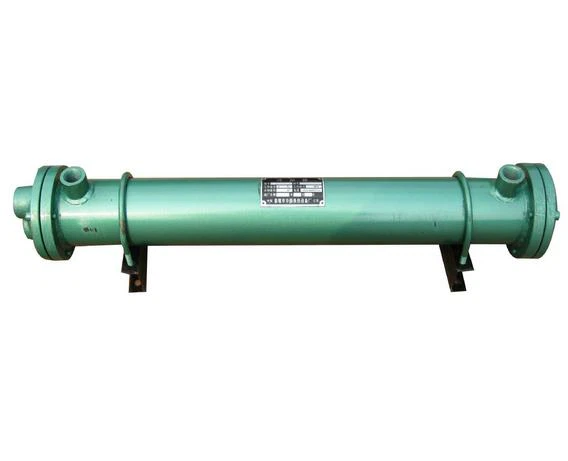
There are a few key components that make the condenser work effectively. First, we have the tube bundle. This is the collection of tubes that I mentioned earlier. The tubes are usually made of materials like copper - nickel alloys or stainless steel. These materials are great because they're good at conducting heat and are also resistant to corrosion.
Next up is the shell. The shell is like a big container that holds the tube bundle and allows the steam to flow around it. It's designed in a way that ensures the steam has maximum contact with the tubes for efficient condensation.
We also have the air extraction system. During the condensation process, there might be some non - condensable gases like air that get trapped in the condenser. The air extraction system helps to remove these gases. If these non - condensable gases are not removed, they can form a layer on the tube surfaces, which reduces the heat transfer efficiency of the condenser.
Importance of a Good Condenser in a Biomass Power Plant
A well - functioning condenser is crucial for the overall performance of a biomass power plant. For starters, it helps to maintain a low pressure at the turbine exhaust. When the pressure at the turbine exhaust is low, the steam can expand more as it passes through the turbine. This leads to more work being done by the steam, which in turn means more electricity can be generated.
Secondly, as I mentioned before, the condenser recycles the water in the power plant. This is not only good for the environment but also for the plant's bottom line. By reusing the water, the power plant doesn't have to constantly source large amounts of fresh water, which can be expensive.
Related Equipment in a Power Station
While the power station condenser is a star player, there are other important pieces of equipment in a power station. For example, the Power Station Oil Cooler. In a power plant, there are a lot of moving parts, and these parts are lubricated with oil. The oil cooler helps to keep the oil at the right temperature. If the oil gets too hot, it can break down and lose its lubricating properties, which can damage the equipment.
Another important piece of equipment is the Power Station HP and LP Heater. These heaters are used to pre - heat the feedwater before it enters the boiler. By pre - heating the water, less energy is needed to turn the water into steam in the boiler, which increases the overall efficiency of the power plant.
Why Choose Our Power Station Condensers
As a supplier of Power Station Condensers, we take pride in offering top - notch products. Our condensers are designed with the latest technology to ensure maximum efficiency. We use high - quality materials for the tube bundles and shells, which makes our condensers durable and resistant to corrosion.
Our team of experts also provides excellent after - sales service. If you have any issues with the condenser, we're just a call away to help you out. We understand the importance of a well - functioning condenser in a biomass power plant, and we're committed to helping you get the most out of your power generation process.
Let's Talk Business
If you're in the market for a power station condenser for your biomass power plant, we'd love to chat. Every power plant has its unique requirements, and we can work with you to find the perfect condenser solution. Whether you need a small - scale condenser for a startup biomass power plant or a large - scale one for an established facility, we've got you covered. So, don't hesitate to reach out and start a conversation about your procurement needs.
References
- "Power Plant Engineering" by P. K. Nag.
- "Biomass Energy Systems: Principles and applications" by several authors in the field of renewable energy research.


