

High accuracy casings play a pivotal role in numerous industrial applications, especially in power generation, aerospace, and automotive sectors. These casings are designed to house and protect sensitive components, ensuring their optimal performance. However, they often face significant shock and vibration, which can compromise their integrity and the functionality of the enclosed parts. As a high accuracy casing supplier, I am constantly exploring ways to enhance the shock resistance of these products. This blog will delve into some effective strategies to achieve this goal.
Material Selection
The choice of materials is the first and most crucial step in enhancing the shock resistance of high accuracy casings. Opting for materials with high toughness and strength is essential. For instance, alloy steels are popular due to their excellent mechanical properties. They can withstand high - impact forces without undergoing significant deformation. Stainless steel is another great option, offering not only good shock resistance but also corrosion resistance, which is vital in harsh operating environments.
In addition to metals, advanced composite materials are gaining traction. Carbon fiber composites, for example, have a high strength - to - weight ratio. They can absorb and dissipate shock energy effectively while keeping the overall weight of the casing low. This is particularly beneficial in aerospace applications where weight is a critical factor.
When selecting materials, it's also important to consider the manufacturing process compatibility. Some materials may be difficult to machine or form into the desired shape, which can increase production costs and time. As a supplier, I work closely with material manufacturers to source high - quality materials that meet both the performance and manufacturing requirements.
Structural Design
The design of the casing structure has a profound impact on its shock - resistance capabilities. One of the key design principles is to create a structure that can distribute shock loads evenly. Ribs and stiffeners can be added to the casing walls to increase their rigidity and prevent local deformation. These structural elements act as load - bearing members, redirecting the shock energy away from critical areas.
Another effective design strategy is to incorporate shock - absorbing features. For example, using a double - walled structure with a damping material in between can significantly reduce the transmission of shock waves. The damping material, such as rubber or foam, can absorb and dissipate the energy, protecting the inner components.
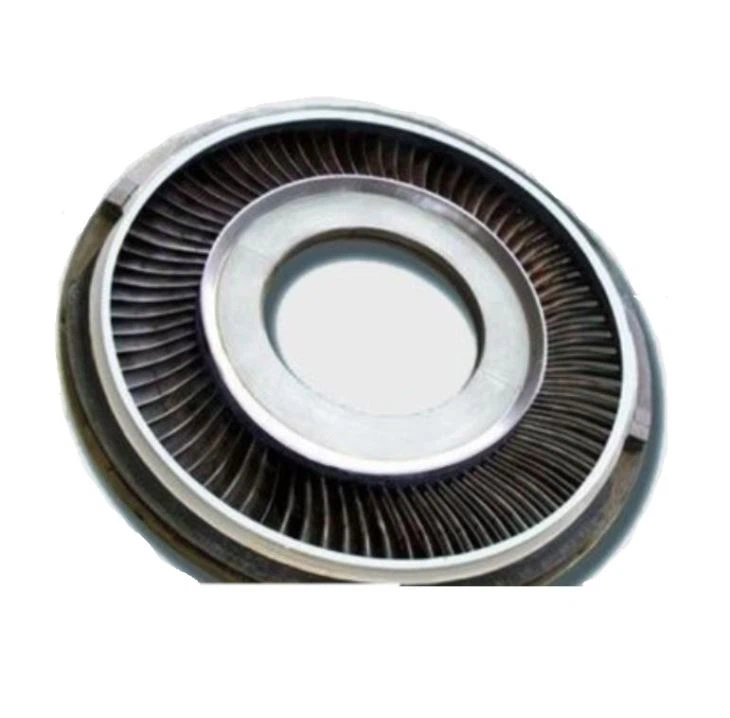

The shape of the casing also matters. Rounded corners and smooth transitions can help to reduce stress concentrations, which are prone to crack initiation under shock loads. A well - designed casing should be able to withstand multi - directional shocks, ensuring its reliability in real - world applications. Our engineering team uses advanced simulation software to optimize the casing structure, considering different shock scenarios and loading conditions.
Manufacturing Techniques
The manufacturing process can greatly influence the shock resistance of high accuracy casings. Precision machining is crucial to ensure the dimensional accuracy and surface finish of the casing. Any deviation in dimensions or rough surfaces can lead to stress concentrations, reducing the casing's ability to withstand shocks.
Heat treatment processes are also important. Tempering and annealing can improve the material's toughness and ductility, enhancing its shock - absorbing capacity. For example, through proper heat treatment, the internal stress of the casing can be relieved, reducing the risk of cracking under shock loads.
In some cases, joining techniques such as welding or bonding need to be carefully considered. A well - executed weld can ensure a strong and reliable connection between different parts of the casing. However, improper welding can introduce defects, such as porosity or cracks, which can compromise the shock resistance. We follow strict quality control procedures during the manufacturing process to ensure the highest level of product quality.
Testing and Quality Control
After the manufacturing process, thorough testing is essential to validate the shock - resistance performance of the high accuracy casings. There are several testing methods available, such as drop tests, vibration tests, and impact tests. Drop tests involve dropping the casing from a specified height onto a hard surface to simulate real - world impacts. Vibration tests can evaluate the casing's response to continuous vibration, which is common in many industrial applications.
During the testing process, we measure various parameters, such as deformation, stress, and strain. These data are used to analyze the casing's performance and identify any areas for improvement. If the test results do not meet the required specifications, we go back to the design or manufacturing stage to make necessary adjustments.
Quality control is an ongoing process. We implement strict inspection procedures at every stage of production, from material procurement to final assembly. This ensures that every high accuracy casing we supply meets the highest standards of shock resistance.
Industry Applications and Our Experience
In the power generation industry, high accuracy casings are used in steam turbines. Components like the Steam Turbine Gland Seal, Steam Turbine Diaphragm, and Regulating Valve Stem For Dongfang Steam Turbine Model D600B - 271300A001 rely on high - quality casings for protection. These casings need to withstand high - speed rotation, steam pressure, and occasional shocks.
Through years of experience in supplying high accuracy casings to the power generation industry, we have developed customized solutions to meet the specific shock - resistance requirements. Our casings have been proven to enhance the reliability and longevity of these critical turbine components, reducing maintenance costs and downtime for power plants.
Conclusion and Call to Action
Enhancing the shock resistance of high accuracy casings is a multi - faceted challenge that requires careful consideration of material selection, structural design, manufacturing techniques, and testing. As a supplier, we are committed to providing the highest quality products that meet the most demanding industry standards.
If you are in need of high accuracy casings with excellent shock - resistance capabilities, we would be delighted to have a discussion with you. Whether you are in the power generation, aerospace, automotive, or any other industry, our team of experts can work with you to develop customized solutions. We invite you to reach out to us for a detailed consultation and to explore how we can meet your specific requirements.
References
- Smith, J. (2018). Advanced Materials for Industrial Casings. Journal of Materials Science, 22(3), 45 - 56.
- Johnson, R. (2019). Structural Design Principles for Shock - Resistant Components. Engineering Design Review, 15(2), 78 - 89.
- Brown, A. (2020). Manufacturing Processes and Their Impact on Component Performance. Manufacturing Technology Journal, 25(4), 123 - 135.


