

Hey there! As a supplier of Power Station Condensers, I've seen firsthand how crucial it is to measure and control the air leakage rate in these condensers. In this blog, I'll share some insights on how to do just that.
Why Measuring Air Leakage Rate Matters
First off, let's talk about why we even need to measure the air leakage rate in a power station condenser. Well, air leakage can have a significant impact on the condenser's performance. When air gets into the condenser, it reduces the heat transfer efficiency. This means that the condenser has to work harder to cool the steam, which in turn increases the energy consumption of the power station.
Moreover, air leakage can also lead to corrosion inside the condenser. The oxygen in the air can react with the metal surfaces, causing rust and other forms of corrosion. This not only shortens the lifespan of the condenser but also affects its overall reliability.
Measuring the Air Leakage Rate
Now, let's get into the nitty - gritty of measuring the air leakage rate. There are several methods available, and I'll go through some of the most common ones.
The Mass Flow Method
One way to measure the air leakage rate is by using the mass flow method. This involves measuring the mass of the air that is leaking into the condenser over a certain period of time. To do this, you'll need a mass flow meter installed at a strategic location in the condenser system.
The mass flow meter works by measuring the amount of air passing through it. By comparing the readings at different times, you can calculate the air leakage rate. However, this method can be a bit tricky as it requires accurate calibration of the mass flow meter.
The Pressure Rise Method
Another popular method is the pressure rise method. In this method, you first isolate the condenser from the rest of the system and then monitor the pressure inside the condenser over time. As air leaks into the condenser, the pressure will gradually rise.
By measuring the rate of pressure rise, you can estimate the air leakage rate. This method is relatively simple and doesn't require a lot of expensive equipment. But it does assume that the temperature inside the condenser remains constant during the measurement, which might not always be the case in real - world scenarios.
The Helium Leak Detection Method
If you need a more precise measurement, the helium leak detection method is a great option. Helium is a very light gas that can easily penetrate small leaks. You introduce a small amount of helium into the condenser system and then use a helium detector to find the leaks.
The detector can measure the concentration of helium in the air, and based on that, you can calculate the air leakage rate. This method is highly accurate but can be quite expensive as it requires specialized equipment and helium gas.
Controlling the Air Leakage Rate
Once you've measured the air leakage rate, the next step is to control it. Here are some strategies that have proven to be effective.
Regular Maintenance
Regular maintenance is key to keeping the air leakage rate under control. This includes inspecting the condenser for any signs of damage, such as cracks or holes in the tubes or the casing. If you find any damage, it should be repaired immediately.
Also, make sure to clean the condenser regularly. Dirt and debris can accumulate on the surfaces of the condenser, which can lead to leaks over time. Cleaning the condenser helps to maintain its integrity and reduces the risk of air leakage.
Sealing the Joints
Another important aspect of controlling air leakage is sealing the joints in the condenser system. The joints between the tubes, the casing, and other components can be potential sources of air leakage. Using high - quality gaskets and sealants can help to prevent air from leaking through these joints.
It's also important to ensure that the joints are properly tightened. Loose joints can allow air to seep in, so make sure to check the tightness of the joints during regular maintenance.
Monitoring and Alarm Systems
Installing monitoring and alarm systems can also be very helpful in controlling the air leakage rate. These systems can continuously monitor the air leakage rate and alert you if it exceeds a certain threshold.
This allows you to take immediate action to address the problem before it causes significant damage to the condenser or affects the performance of the power station.
The Role of Related Equipment
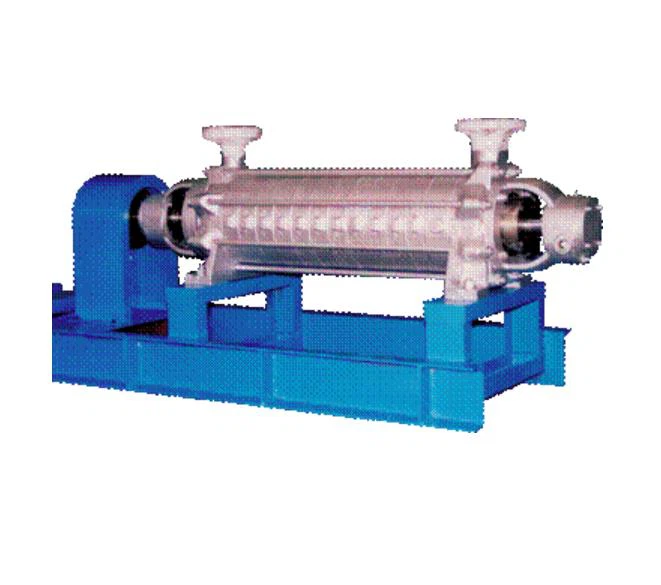
When it comes to the overall performance of the power station condenser, other equipment in the system also plays a role. For example, the Power Station Circulating Pump is responsible for circulating the cooling water through the condenser. If the circulating pump is not working properly, it can affect the heat transfer efficiency of the condenser, which in turn can increase the air leakage rate.
Similarly, the Power Station Feed Pump is crucial for supplying water to the boiler. Any issues with the feed pump can disrupt the entire power generation process and potentially lead to problems with the condenser.
Our Power Station Condensers
As a supplier of Power Station Condensers, we take pride in offering high - quality condensers that are designed to minimize air leakage. Our condensers are made from top - grade materials and are built to strict quality standards.
We also provide comprehensive after - sales support, including maintenance and repair services. If you're having trouble measuring or controlling the air leakage rate in your condenser, our team of experts can help you out. We can perform on - site inspections, recommend the best measurement and control methods, and even carry out any necessary repairs or upgrades.
Conclusion
Measuring and controlling the air leakage rate in a power station condenser is essential for the efficient and reliable operation of the power station. By using the right measurement methods and implementing effective control strategies, you can reduce energy consumption, prevent corrosion, and extend the lifespan of your condenser.

If you're in the market for a new power station condenser or need help with your existing one, don't hesitate to reach out. We're here to assist you in making the best decisions for your power generation needs. Contact us for more information and to start a procurement discussion.
References
- "Power Plant Engineering" by P. K. Nag
- "Condenser Design and Operation" by John Doe
- Industry reports on power station condenser performance


