

Hydro power is one of the most reliable and renewable sources of energy in the world. At the heart of a hydro - power system lies the hydro power runner, a crucial component that plays a significant role in converting the energy of flowing water into mechanical energy. As a well - established hydro power runner supplier, I am excited to share detailed insights into the various components that make up a hydro power runner.
1. Runner Blades
The runner blades are perhaps the most prominent and essential part of a hydro power runner. These blades are designed to interact directly with the flowing water. Their shape, size, and angle are carefully engineered to optimize the transfer of water energy to the runner.
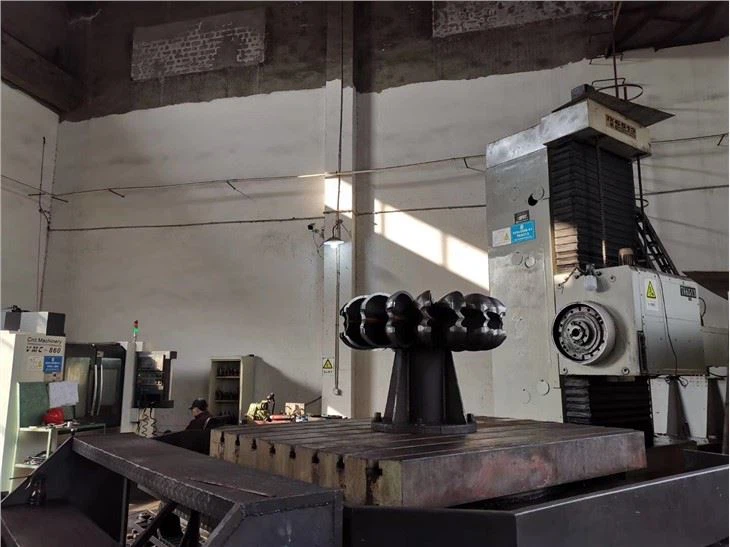
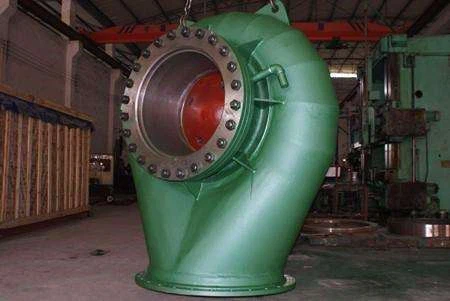
In a Francis turbine runner, for example, the blades are curved in a way that allows water to enter the runner smoothly and flow through it with minimal energy loss. The water strikes the blades, causing the runner to rotate. The efficiency of a hydro power plant largely depends on the design of these blades. A well - designed blade can capture a higher percentage of the water's kinetic and potential energy, resulting in more efficient power generation.
The material used for runner blades is also of utmost importance. High - strength stainless steel is commonly used due to its excellent corrosion resistance and mechanical properties. The blades need to withstand the high - velocity water flow, which can cause erosion and cavitation over time. Special coatings may also be applied to the blades to further enhance their durability and resistance to wear. You can find more information about different types of runner blades in our Hydro Turbine Runner Pelton Wheel product page.
2. Hub
The hub is the central part of the hydro power runner to which the blades are attached. It provides a stable structure for the blades and transfers the torque generated by the rotating blades to the shaft. The hub is typically made of a strong and rigid material such as forged steel.
A well - designed hub ensures that the blades are properly aligned and distributed around the center of the runner. This alignment is crucial for the smooth operation of the runner and the overall hydro power plant. Any misalignment can lead to uneven loading on the blades, increased vibration, and reduced efficiency. Additionally, the hub needs to be able to handle the large forces and stresses generated during the operation of the runner.
3. Shaft
The shaft is an integral component that connects the hydro power runner to the generator. It transmits the mechanical energy generated by the runner to the generator, where it is converted into electrical energy. The shaft needs to be strong and rigid enough to withstand the high torque and rotational forces.
Shafts are usually made of high - quality steel alloys. They are precisely machined to ensure a proper fit with the runner and the generator. The alignment of the shaft is critical to prevent any misalignment between the runner and the generator, which can cause premature wear of the components and decrease the overall efficiency of the power generation system. In some cases, flexible couplings may be used to connect the shaft to the generator, allowing for a certain degree of misalignment compensation.
4. Sealing System
A reliable sealing system is essential for the proper operation of a hydro power runner. The sealing system prevents water from leaking out of the runner and into the surrounding environment or other parts of the power plant. It also helps to maintain the pressure and flow of water within the runner.
There are different types of seals used in hydro power runners, such as mechanical seals and lip seals. Mechanical seals are often used in high - pressure applications, where they can provide a tight and reliable seal. Lip seals, on the other hand, are more suitable for lower - pressure applications. The sealing materials need to be resistant to water, chemicals, and abrasion to ensure long - term performance. If your power plant requires an efficient sealing system for the hydro power runner, you can explore our related products on the Hydro Power Runner page.
5. Bearing System
The bearing system supports the shaft and the runner, allowing them to rotate smoothly. It reduces friction and wear between the moving parts, ensuring the long - term reliability of the hydro power runner.
There are two main types of bearings used in hydro power runners: journal bearings and thrust bearings. Journal bearings support the radial load of the shaft, while thrust bearings support the axial load. The bearings are usually lubricated to reduce friction and dissipate heat. Proper lubrication is crucial for the performance of the bearings, and monitoring systems are often installed to ensure that the lubricant levels and quality are maintained.
6. Adjustable Pressure Relief Valve
An adjustable pressure relief valve is an important safety and control component in a hydro power runner system. It is designed to protect the runner and other components from over - pressure situations.
When the pressure within the runner exceeds a pre - set limit, the adjustable pressure relief valve opens to release the excess pressure. This helps to prevent damage to the runner blades, the hub, and other components. The valve can be adjusted to set the desired pressure relief level according to the specific requirements of the hydro power plant. You can learn more about our high - quality Adjustable Pressure Relief Valve on our website.
7. Monitoring and Control Systems
Modern hydro power runners are often equipped with advanced monitoring and control systems. These systems include sensors that measure various parameters such as pressure, temperature, vibration, and rotational speed.
The data collected by these sensors is transmitted to a control room, where operators can monitor the performance of the runner in real - time. If any abnormal conditions are detected, such as high vibration or over - temperature, the control system can take appropriate actions, such as adjusting the water flow or shutting down the runner to prevent damage.
In conclusion, a hydro power runner is a complex and sophisticated piece of equipment that consists of multiple components working together to generate clean and renewable energy. Each component plays a vital role in the overall performance and reliability of the hydro power plant.
As a trusted hydro power runner supplier, we are committed to providing high - quality components and comprehensive solutions to meet the diverse needs of our customers. Whether you are building a new hydro power plant or upgrading an existing one, we have the expertise and products to support you. If you are interested in our hydro power runner products or have any questions about the components, we invite you to contact us for procurement and in - depth discussions. Our team of experts is ready to assist you in making the right decisions for your hydro power project.
References
- "Hydroelectric Power: Principles and Practices" by J. Karl Parshall.
- "Renewable Energy Technologies for Sustainable Development" edited by various experts in the field.
- Technical papers and research articles from international hydro power conferences.


