

Hey there! As a supplier of Power Station Condensers, I've had my fair share of experiences in the power generation industry. One question that often comes up is the difference between condensers in large - scale and small - scale power stations. So, let's dive right into it.
Basics of Power Station Condensers
First off, let's quickly go over what a condenser does in a power station. A condenser is a crucial component that plays a key role in the Rankine cycle, which is the fundamental operating cycle for most steam - based power plants. It takes in the exhaust steam from the turbine and converts it back into liquid water by removing heat. This condensed water can then be pumped back into the boiler to start the cycle all over again.
We're a supplier of Power Station Condenser, and we understand that different power stations have different requirements for these condensers.
Capacity and Size
The most obvious difference between condensers in large - scale and small - scale power stations is their size and capacity. Large - scale power stations, like those used in national power grids, have a much higher power output. For instance, a large - scale coal - fired or nuclear power plant can produce anywhere from 500 MW to over 2000 MW of electricity. As a result, these plants need condensers that can handle a massive amount of steam.
The condensers in large - scale power stations are enormous. They have large heat transfer surfaces, often made up of thousands of tubes, to ensure efficient heat exchange. The physical size of these condensers is huge, sometimes taking up an entire building or a large section of the power plant.
On the other hand, small - scale power stations, such as those used in industrial facilities, hospitals, or small communities, have a much lower power output, typically ranging from a few kilowatts to a few hundred megawatts. Their condensers are much smaller in size and capacity. They can be compact, designed to fit into limited spaces and handle the relatively small amount of steam generated by the turbines.
Heat Transfer Efficiency
Heat transfer efficiency is another important aspect that differs between large and small condensers. In large - scale power stations, maximizing heat transfer efficiency is crucial because even a small improvement in efficiency can lead to significant savings in fuel consumption and operating costs. These condensers are designed with advanced heat transfer technologies and often use multiple passes of cooling water to extract as much heat as possible from the exhaust steam.
The design of large - scale condensers also takes into account factors like the flow distribution of steam and cooling water. Special attention is paid to ensuring that the steam is evenly distributed across the tubes to prevent hot spots and maximize heat transfer. Additionally, the materials used in large - scale condensers are carefully selected for their high thermal conductivity and corrosion resistance.
Small - scale condensers, while still aiming for good heat transfer efficiency, may not require the same level of complexity. They can use simpler designs and materials. Since the amount of steam to be condensed is relatively small, the heat transfer requirements are also less demanding. However, for small - scale power stations that rely on renewable energy sources like biomass or waste heat recovery, achieving good heat transfer efficiency can still be important to make the most of the available energy.
Cooling Water Requirements
The cooling water requirements for condensers in large - scale and small - scale power stations are quite different. Large - scale power stations need a large volume of cooling water to condense the high - volume steam. They often use cooling towers, which are large structures that evaporate a portion of the cooling water to dissipate heat. This process requires a constant supply of fresh water, and in some cases, large - scale power stations are located near rivers, lakes, or the ocean to ensure an adequate water supply.
In addition to the volume of water, the temperature of the cooling water also matters. Large - scale power stations often have sophisticated water intake and discharge systems to optimize the temperature of the cooling water. This helps in maintaining the efficiency of the condenser.
Small - scale power stations, on the other hand, have lower cooling water requirements. They may use simpler cooling systems, such as air - cooled condensers or small - scale water - cooled systems. Air - cooled condensers are a popular choice for small - scale power stations in areas where water is scarce. They use fans to blow air over the condenser tubes to remove heat from the steam. While air - cooled condensers are less efficient than water - cooled ones, they eliminate the need for a large water supply.
Cost and Maintenance
Cost is a significant factor when it comes to condensers in power stations. Large - scale condensers are expensive to manufacture, install, and maintain. The high cost is due to their large size, complex design, and the use of high - quality materials. The installation process requires specialized equipment and skilled labor, which adds to the overall cost.
Maintenance of large - scale condensers is also a major undertaking. Regular inspections, cleaning, and repairs are necessary to ensure their proper operation. Any downtime of a large - scale condenser can lead to a significant loss of power generation and revenue. Therefore, power plant operators often invest in advanced monitoring systems to detect potential problems early.
Small - scale condensers are generally more affordable. Their simpler design and smaller size result in lower manufacturing and installation costs. Maintenance is also less complicated and less expensive. Small - scale power station operators can often perform maintenance tasks in - house, without the need for external contractors.
Integration with Other Equipment
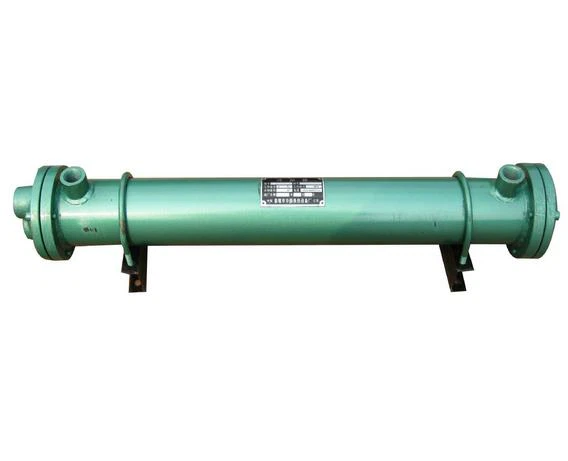
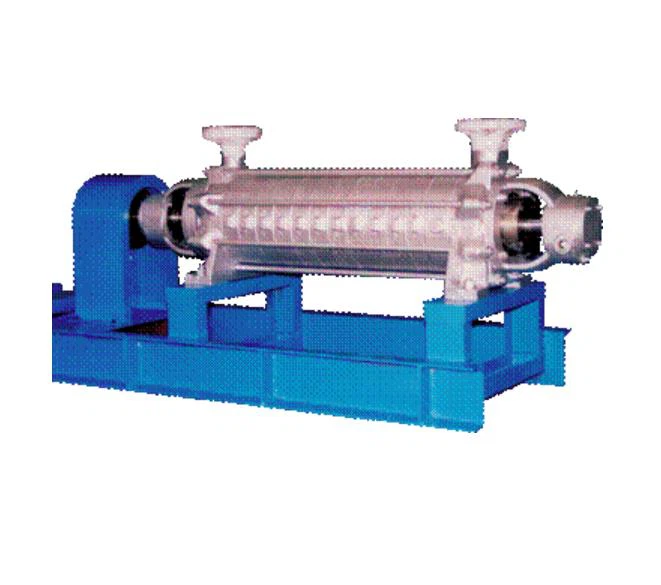
In large - scale power stations, condensers need to be integrated with other major equipment such as Power Station Feed Pump and Power Station Oil Cooler. The feed pump is responsible for pumping the condensed water back into the boiler, and the oil cooler helps in maintaining the proper temperature of the turbine oil.
The integration process is complex and requires careful coordination to ensure the smooth operation of the entire power plant. The condenser's operation needs to be synchronized with the feed pump and oil cooler to maintain the correct pressure and temperature levels throughout the system.
In small - scale power stations, the integration of the condenser with other equipment is relatively simpler. The smaller scale of the operation means that there are fewer components to coordinate, and the overall system is more compact and easier to manage.
Conclusion and Call to Action
In conclusion, the differences between condensers in large - scale and small - scale power stations are significant in terms of capacity, heat transfer efficiency, cooling water requirements, cost, maintenance, and integration with other equipment. As a Power Station Condenser supplier, we understand these differences and can provide customized solutions for both large - scale and small - scale power stations.
If you're in the market for a power station condenser, whether it's for a large - scale industrial plant or a small - scale community power station, feel free to get in touch with us. We're here to help you find the right condenser that meets your specific requirements.
References
- Babcock & Wilcox. Power Generation Handbook.
- ASME Standards for Power Plant Components.
- Thermodynamics textbooks on power cycles.


