

What is the operating temperature range of a power station oil cooler?
Power station oil coolers play a pivotal role in the efficient and safe operation of power plants. These essential components are responsible for maintaining the optimal temperature of oil used in various power - generating equipment, such as turbines and generators. In this blog, I will delve into the operating temperature range of power station oil coolers, and as a supplier of Power Station Oil Cooler, I will share some insights from our industry knowledge.
The Importance of Temperature Control in Power Station Oil Coolers
Before discussing the operating temperature range, it is crucial to understand why temperature control is so important. In power stations, the oil serves multiple purposes. It lubricates moving parts, reduces friction, and dissipates heat generated during the operation of machinery. If the oil temperature is too high, its viscosity decreases, which can lead to insufficient lubrication. This, in turn, can cause excessive wear and tear on components, leading to premature failure and costly repairs.
On the other hand, if the oil temperature is too low, its viscosity increases, making it more difficult for the oil to flow through the system. This can result in poor circulation, reduced heat transfer efficiency, and increased energy consumption. Therefore, maintaining the oil within a specific temperature range is essential for the reliable and efficient operation of power station equipment.
General Operating Temperature Range
The operating temperature range of a power station oil cooler typically depends on the type of oil used and the specific requirements of the power plant equipment. Generally speaking, the inlet oil temperature can range from around 40°C to 60°C. This is the temperature at which the oil enters the cooler.
The outlet oil temperature, which is the temperature of the oil after it has passed through the cooler, is usually maintained between 35°C and 50°C. This range ensures that the oil has the proper viscosity to perform its lubrication and heat - dissipation functions effectively.
However, these are just general guidelines, and the actual operating temperature range can vary. For example, some high - performance power station equipment may require a more precise temperature control, with the outlet oil temperature maintained within a narrow range of 38°C to 42°C.
Factors Affecting the Operating Temperature Range
Several factors can influence the operating temperature range of a power station oil cooler:
- Type of Oil: Different types of oils have different viscosity - temperature characteristics. For example, synthetic oils generally have a wider temperature range of operation compared to mineral oils. Synthetic oils can maintain their viscosity more effectively at higher and lower temperatures, which may allow for a broader operating temperature range of the oil cooler.
- Ambient Temperature: The temperature of the surrounding environment can significantly impact the performance of the oil cooler. In hot climates, the cooler has to work harder to lower the oil temperature, and the outlet temperature may be closer to the upper end of the acceptable range. Conversely, in cold climates, it may be necessary to use a heater to prevent the oil from becoming too viscous.
- Load on the Power Station Equipment: When the power station equipment is operating at a high load, more heat is generated, and the oil temperature will rise. This requires the oil cooler to remove more heat, which can affect the operating temperature range. During peak load periods, the inlet oil temperature may be higher, and the cooler needs to ensure that the outlet temperature remains within the acceptable range.
Our Solutions as a Power Station Oil Cooler Supplier
As a supplier of Power Station Oil Cooler, we understand the critical role that temperature control plays in power station operations. We offer a wide range of oil coolers designed to meet the diverse needs of different power plants.
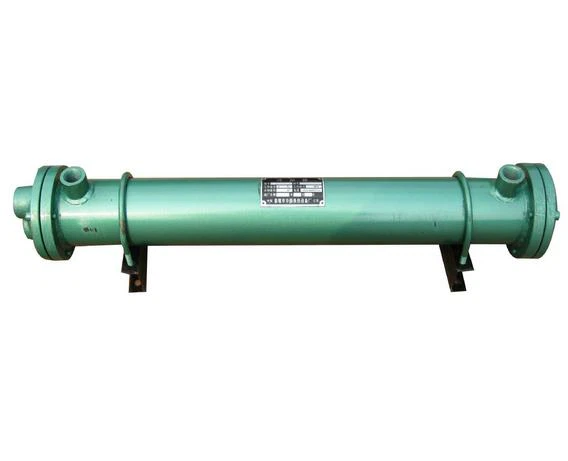

Our oil coolers are engineered with advanced heat - transfer technology to ensure efficient cooling performance. They can be customized to accommodate different oil types and operating conditions. For example, in regions with extreme ambient temperatures, we can provide oil coolers with additional insulation or pre - heating/cooling options.
We also offer integrated solutions that include monitoring and control systems. These systems continuously monitor the oil temperature at the inlet and outlet of the cooler and adjust the cooling capacity as needed. This ensures that the oil temperature remains within the optimal range at all times, improving the reliability and efficiency of the power station equipment.
Complementary Equipment in Power Stations
In addition to power station oil coolers, other equipment also plays important roles in power station operations. For instance, Power Station Circulating Pump is responsible for circulating water through the power plant's cooling system. It helps to transfer heat from the power - generating equipment to the cooling medium, which is an essential part of the overall heat - management process.
Another important component is the Power Station HP and LP Heater. These heaters are used to pre - heat the feedwater in the power plant, improving the efficiency of the steam cycle. Each of these components works in harmony to ensure the smooth and efficient operation of the power station.
Encouraging Contact for Procurement
If you are in the market for a power station oil cooler or other power station equipment, we are here to help. Our team of experts can provide you with detailed information about our products, including their specifications, performance, and installation requirements. We can also work closely with you to customize solutions that meet your specific needs.
Whether you are building a new power station or upgrading an existing one, having the right equipment is crucial for achieving optimal performance and reliability. Don't hesitate to reach out to us for more information and to start a procurement discussion. We are committed to providing high - quality products and excellent customer service to help you succeed in your power - generation projects.
References
- Power Plant Engineering Handbook: Various chapters on power station auxiliary equipment and thermal management.
- Industry standards and guidelines published by relevant energy and power associations.


