

Hey there! As a supplier of Power Station Oil Pumps, I often get asked about the explosion-proof requirements for these pumps, especially when they're going to be used in hazardous areas. So, let's dive right in and talk about it.

Understanding Hazardous Areas in Power Stations
First off, we need to understand what we mean by "hazardous areas" in a power station. Hazardous areas are zones where there's a potential for explosive atmospheres to form. This usually happens when there's a presence of flammable gases, vapors, mists, or combustible dusts. In a power station, oil pumps are used in various processes, and the oil they handle can emit flammable vapors. So, the areas around these pumps can be classified as hazardous.
There are different international standards for classifying hazardous areas. For example, in Europe, the ATEX directive is used, while in the United States, the National Electric Code (NEC) provides the guidelines. These standards divide hazardous areas into different zones based on the frequency and duration of the presence of an explosive atmosphere.
Zone Classification
- Zone 0 (ATEX) / Division 1 (NEC): In these areas, an explosive atmosphere is present continuously or for long periods. This is a high - risk zone, and the explosion - proof requirements for equipment here are extremely strict.
- Zone 1 (ATEX) / Division 1 (NEC): An explosive atmosphere is likely to occur in normal operation. The equipment used in this zone also needs to meet high - level explosion - proof standards.
- Zone 2 (ATEX) / Division 2 (NEC): An explosive atmosphere is not likely to occur in normal operation, but if it does, it will only be for a short time. The explosion - proof requirements for this zone are relatively less strict compared to Zone 0 and 1.
Explosion - Proof Requirements for Power Station Oil Pumps
Construction and Design
The construction of the oil pump is crucial when it comes to explosion - proof requirements. The pump should be designed in a way that prevents the ignition of the surrounding explosive atmosphere.
- Enclosure: The pump should have an explosion - proof enclosure. This enclosure is designed to contain any explosion that might occur inside the pump and prevent it from spreading to the surrounding area. It should be able to withstand the pressure of an internal explosion without rupturing.
- Sealing: Proper sealing is essential to prevent the leakage of flammable vapors from the pump. All joints, gaskets, and seals should be designed to stop the escape of any potentially explosive substances.
Electrical Components
Most power station oil pumps are electrically driven, so the electrical components need to meet specific explosion - proof standards.
- Motor: The electric motor used in the pump should be an explosion - proof motor. This means that it is designed to prevent the ignition of explosive atmospheres due to electrical arcing, sparks, or excessive temperatures. There are different types of explosion - proof motors, such as flame - proof motors, which are enclosed in a housing that can withstand an internal explosion, and increased safety motors, which are designed to reduce the risk of ignition.
- Control Systems: The control systems for the pump, including switches, relays, and sensors, also need to be explosion - proof. They should be designed to operate safely in a hazardous environment without causing any ignition.
Temperature Limitation
The temperature of the pump and its components should be kept below the ignition temperature of the surrounding explosive atmosphere. This is important to prevent the pump from acting as an ignition source.
- Heat Dissipation: The pump should be designed to dissipate heat effectively. This might involve the use of cooling fins, heat exchangers, or other cooling mechanisms.
- Monitoring: Temperature sensors can be installed on the pump to monitor its temperature continuously. If the temperature exceeds a certain limit, the pump can be shut down automatically to prevent an explosion.
Material Selection
The materials used in the construction of the pump also play an important role in meeting the explosion - proof requirements.
- Non - Sparking Materials: Some materials can produce sparks when they come into contact with each other or with other objects. To prevent this, non - sparking materials should be used in the parts of the pump that are likely to experience friction or impact, such as bearings and couplings.
- Corrosion Resistance: The pump should be made of materials that are resistant to corrosion, especially since it is likely to be in contact with oil and other chemicals. Corrosion can weaken the pump structure and potentially lead to leaks, which could increase the risk of explosion.
Our Power Station Oil Pumps and Their Compliance
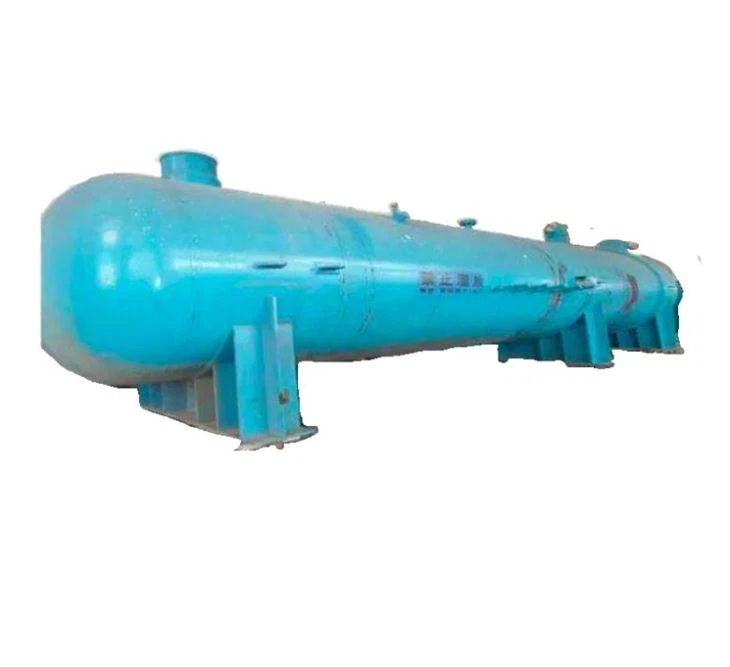
We, as a supplier, take the explosion - proof requirements very seriously. Our Power Station Feed Pump, Power Station Circulating Pump, and Power Station HP and LP Heater are all designed and manufactured to meet the highest international explosion - proof standards.
We use state - of - the - art technology and high - quality materials in the construction of our pumps. Our explosion - proof enclosures are rigorously tested to ensure that they can contain any potential internal explosion. The electrical components are carefully selected and installed to prevent the risk of ignition. And we have a strict quality control process in place to make sure that every pump we supply meets or exceeds the required explosion - proof requirements.
Why Choose Our Power Station Oil Pumps
- Reliability: Our pumps are designed to operate reliably in hazardous areas. They are built to last and can withstand the harsh conditions often found in power stations.
- Safety: Safety is our top priority. By using our explosion - proof pumps, you can significantly reduce the risk of explosions in your power station.
- Expertise: We have a team of experts who are well - versed in the explosion - proof requirements for power station oil pumps. We can provide you with the right advice and support to ensure that you choose the right pump for your specific needs.
Let's Talk!
If you're in the market for a power station oil pump and need a pump that meets the strict explosion - proof requirements for hazardous areas, we'd love to hear from you. Whether you're building a new power station or upgrading an existing one, our pumps can be a great choice. We're ready to have a detailed discussion with you about your requirements and provide you with a customized solution. So, don't hesitate to reach out and start the ball rolling on your purchase.
References
- ATEX Directive 2014/34/EU
- National Electric Code (NEC) - NFPA 70
- IEC 60079 series of standards for explosive atmospheres


