

Hey there! As a supplier of Power Station Oil Coolers, I've been in the thick of it when it comes to understanding the ins and outs of these crucial components. Today, we're going to dive deep into the expansion and contraction characteristics of a power station oil cooler. So, let's get started!

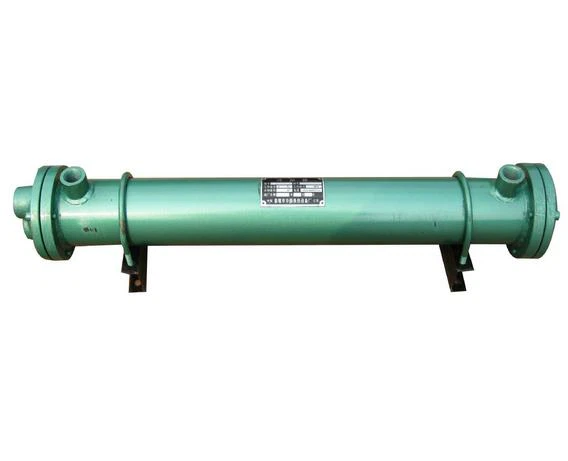
The Basics of Power Station Oil Coolers
First off, let's quickly touch on what a power station oil cooler is. These coolers are essential pieces of equipment in power plants. They're responsible for keeping the oil at an optimal temperature, which is crucial for the smooth operation of various parts in the power station. You can find out more about Power Station Oil Cooler on our website.
When the power station is up and running, a lot of heat is generated. The oil in the system absorbs this heat, and if it's not cooled down properly, it can lead to all sorts of problems. That's where the oil cooler comes in. It uses a combination of water or air to transfer the heat away from the oil, ensuring that the oil stays within a safe temperature range.
Expansion and Contraction: Why It Matters
Expansion and contraction are natural phenomena that occur in almost all materials due to changes in temperature. In the case of power station oil coolers, these changes can have a significant impact on the performance and lifespan of the equipment.
When the oil cooler is in operation, it's exposed to high temperatures. As the temperature rises, the materials in the cooler expand. This expansion can put stress on the joints, seals, and other components of the cooler. If the expansion is not properly accounted for, it can lead to leaks, cracks, and even equipment failure.
On the other hand, when the power station shuts down or the oil cooler is not in use, the temperature drops. The materials in the cooler contract, which can also cause problems. For example, if the contraction is too rapid, it can cause the materials to become brittle and more prone to cracking.
Materials and Their Expansion/Contraction Properties
The expansion and contraction characteristics of a power station oil cooler depend largely on the materials used in its construction. Common materials include metals like steel and aluminum, as well as various types of plastics and rubber.
Steel is a popular choice for oil coolers because it's strong and durable. However, it also has a relatively high coefficient of thermal expansion. This means that it expands and contracts more significantly with temperature changes compared to some other materials. When designing a steel oil cooler, engineers need to take this into account and provide enough flexibility to accommodate the expansion and contraction.
Aluminum is another widely used material. It has a lower density than steel, which makes it lighter. It also has a higher thermal conductivity, which means it can transfer heat more effectively. However, like steel, aluminum also expands and contracts with temperature changes.
Plastics and rubber are often used for seals and gaskets in oil coolers. These materials have different expansion and contraction properties compared to metals. They are generally more flexible, which allows them to absorb some of the stress caused by temperature changes. However, they also need to be carefully selected to ensure that they can withstand the operating conditions of the power station.
Design Considerations for Expansion and Contraction
When designing a power station oil cooler, engineers need to take several factors into account to ensure that it can handle the expansion and contraction caused by temperature changes.
One of the key design considerations is the use of expansion joints. These joints are designed to allow the cooler to expand and contract without causing damage to the rest of the equipment. They can be made of various materials, such as metal bellows or rubber seals, and are strategically placed in the cooler to accommodate the expected expansion and contraction.
Another important design aspect is the layout of the cooler. The pipes and channels in the cooler should be arranged in a way that minimizes stress on the joints and other components. For example, curves and bends can help to absorb some of the expansion and contraction forces.
In addition, the selection of the right materials for each component is crucial. As mentioned earlier, different materials have different expansion and contraction properties, so engineers need to choose materials that are compatible with each other and can withstand the operating conditions of the power station.
Maintenance and Monitoring
Once a power station oil cooler is installed, it's important to carry out regular maintenance and monitoring to ensure that it's functioning properly and to detect any signs of problems related to expansion and contraction.
Regular inspections can help to identify any leaks, cracks, or other signs of damage. The seals and gaskets should be checked for wear and tear, and any damaged components should be replaced promptly.
Monitoring the temperature of the oil and the cooler is also essential. Sudden changes in temperature can indicate a problem with the cooling system or excessive expansion or contraction. By keeping an eye on the temperature, operators can take corrective action before any serious damage occurs.
Related Equipment in Power Stations
Power station oil coolers are just one part of a larger system in a power plant. Other important equipment includes Power Station Circulating Pump and Power Station Condenser.
The power station circulating pump is responsible for circulating the cooling water through the oil cooler and other components of the power station. It needs to be able to operate efficiently and reliably to ensure that the cooling system works properly.
The power station condenser is used to convert steam back into water. It plays a crucial role in the power generation process by improving the efficiency of the power plant. Like the oil cooler, the condenser also needs to be designed and maintained to handle the expansion and contraction caused by temperature changes.
Contact Us for Your Power Station Oil Cooler Needs
If you're in the market for a power station oil cooler, or if you have any questions about the expansion and contraction characteristics of these coolers, don't hesitate to reach out. We're here to help you find the right solution for your power plant. Whether you need a new oil cooler or just some advice on maintenance and monitoring, we've got you covered.
We've got years of experience in the industry, and our team of experts can provide you with the guidance and support you need. So, if you're interested in learning more or discussing a potential purchase, just get in touch. We're looking forward to hearing from you and helping you keep your power station running smoothly.
References
- Smith, J. (2020). Power Station Equipment Handbook. Publisher X.
- Jones, A. (2019). Thermal Expansion and Contraction in Industrial Equipment. Journal of Engineering Studies, Vol. 15, pp. 23 - 35.


