
Hey there! As a supplier of Hydro Power Runners, I often get asked about the lifespan of these nifty pieces of equipment. So, I thought I'd sit down and write this blog to share what I know and help you understand how long you can expect a Hydro Power Runner to last.
First off, let's talk about what a Hydro Power Runner is. In simple terms, it's a key component in a hydro - power plant. It's the part that converts the energy from flowing water into mechanical energy, which is then turned into electricity. Think of it as the heart of the hydro - power system.
Now, the lifespan of a Hydro Power Runner isn't set in stone. It can vary quite a bit depending on several factors. One of the biggest factors is the quality of the materials used in its construction. High - quality materials like stainless steel or other corrosion - resistant alloys tend to last longer. These materials can withstand the constant exposure to water and the wear and tear that comes with it. For example, a runner made from a top - notch stainless steel alloy might have a much better chance of lasting a long time compared to one made from a cheaper, less durable material.
Another important factor is the operating conditions. If the hydro - power plant is located in an area with clean, sediment - free water, the runner will face less abrasion. Sediment in the water can act like sandpaper, slowly wearing down the runner's surface over time. On the other hand, if the water is full of dirt, rocks, and other debris, the lifespan of the runner can be significantly reduced. Also, the flow rate and pressure of the water matter. A runner that has to deal with extremely high - pressure water flows all the time will experience more stress, which can lead to faster deterioration.
Maintenance also plays a huge role. Regular inspections and upkeep can extend the life of a Hydro Power Runner. This includes things like checking for cracks, corrosion, and any signs of damage. If any issues are caught early, they can be fixed before they turn into major problems. For instance, if a small crack is detected during an inspection, it can be repaired, preventing it from growing and potentially causing the runner to fail.
Typically, under normal operating conditions and with proper maintenance, a Hydro Power Runner can last anywhere from 20 to 50 years. However, some well - maintained runners in ideal conditions have been known to last even longer.
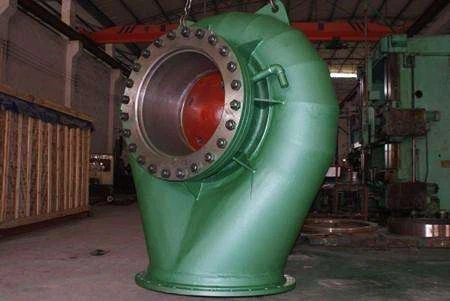

Let's take a closer look at some of the related components that can affect the lifespan of the runner. The Energy Storage Hydraulic Control Slow Closing Check Butterfly Valve is an important part of the hydro - power system. This valve helps control the flow of water and can prevent sudden pressure changes that could damage the runner. If this valve isn't working properly, it can put extra stress on the runner, reducing its lifespan.
The Hydro Turbine Runner Pelton Wheel is another type of runner. Pelton wheels are often used in high - head hydro - power plants. They have their own unique design and operating characteristics. The lifespan of a Pelton wheel runner also depends on factors like the quality of materials, operating conditions, and maintenance.
The Adjustable Pressure Relief Valve is crucial for protecting the runner from over - pressure situations. If the pressure in the system gets too high, this valve will open to release the excess pressure. Without a properly functioning pressure relief valve, the runner could be subjected to pressures that it's not designed to handle, leading to premature failure.
As a supplier, I can offer a range of Hydro Power Runners that are made from high - quality materials and designed to last. We also provide support and advice on maintenance to help you get the most out of your runner. Whether you're building a new hydro - power plant or looking to replace an old runner, we've got you covered.
If you're in the market for a Hydro Power Runner or have any questions about their lifespan, performance, or anything else related to hydro - power components, don't hesitate to reach out. We're here to have a chat, answer your questions, and help you make the best decision for your hydro - power project.
References
- Hydro - power plant engineering textbooks
- Industry reports on hydro - power component durability


