

Ensuring the quality of power output is a critical aspect of operating a coal-fired power plant. As a supplier to coal-fired power plants, I understand the complexities and challenges involved in maintaining high-quality electricity generation. In this blog post, I will delve into the various measures and technologies that coal-fired power plants employ to guarantee the quality of their power output.
Fuel Quality and Preparation
The quality of coal used in a power plant is the first step in ensuring stable and high-quality power generation. High-quality coal typically has a higher calorific value, lower moisture content, and fewer impurities such as sulfur and ash. Power plants often source coal from reliable suppliers and conduct regular quality checks upon delivery.
Before being fed into the boiler, coal undergoes a series of preparation processes. It is crushed into fine particles to increase its surface area, which allows for more efficient combustion. The crushed coal is then pulverized to a consistent size, ensuring uniform burning in the boiler. This not only maximizes the energy extraction from the coal but also reduces the formation of pollutants.
Boiler Efficiency and Operation
The boiler is the heart of a coal-fired power plant, where the chemical energy in coal is converted into thermal energy. Maintaining high boiler efficiency is crucial for ensuring the quality of power output. Modern boilers are designed with advanced combustion technologies to optimize the burning process.
One such technology is the use of low-NOx burners, which reduce the formation of nitrogen oxides (NOx) during combustion. These burners control the air and fuel mixing process to create a more stable and efficient flame. Additionally, boilers are equipped with sophisticated control systems that continuously monitor and adjust the combustion parameters, such as air-fuel ratio, temperature, and pressure, to ensure optimal performance.
Regular maintenance and inspection of the boiler are also essential. This includes cleaning the heat transfer surfaces to prevent fouling, which can reduce the boiler's efficiency. Power plants also conduct periodic boiler tube inspections to detect and repair any leaks or damage, ensuring the safe and efficient operation of the boiler.
Steam Turbine Performance
The steam turbine is responsible for converting the thermal energy of steam into mechanical energy, which is then used to generate electricity. The performance of the steam turbine has a direct impact on the quality of power output.
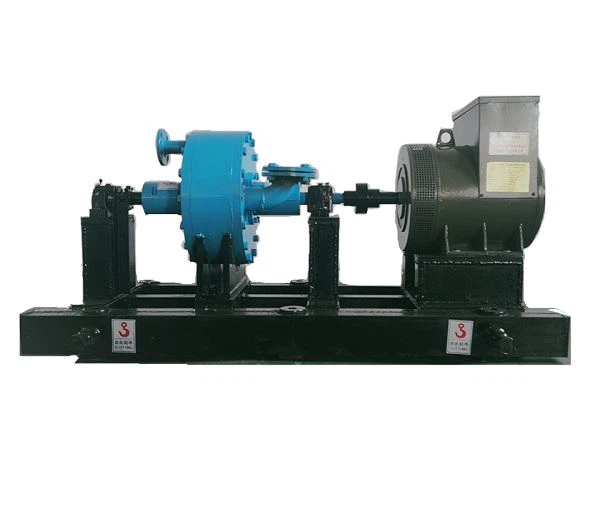
High-quality steam turbines, such as the DTEC 1 - 3MW High Speed And High Efficiency Steam Turbine, are designed with advanced aerodynamics and materials to maximize efficiency. These turbines are capable of operating at high speeds and converting a large portion of the steam's energy into mechanical work.
Proper steam turbine operation requires precise control of steam parameters, such as pressure, temperature, and flow rate. Power plants use sophisticated control systems to maintain these parameters within the optimal range. Additionally, regular maintenance of the steam turbine, including blade cleaning, bearing lubrication, and alignment checks, is necessary to ensure its reliable operation.
Generator and Electrical System
The generator converts the mechanical energy from the steam turbine into electrical energy. The quality of the electrical output depends on the performance of the generator and the associated electrical system.
Generators are designed to produce a stable and reliable electrical output. They are equipped with automatic voltage regulators (AVRs) that maintain a constant voltage level, regardless of the load variations. The AVR adjusts the field current of the generator to compensate for changes in the electrical load, ensuring a consistent voltage supply.
The electrical system of a coal-fired power plant also includes transformers, switchgear, and transmission lines. These components are designed to transmit the electrical power from the generator to the grid safely and efficiently. Regular maintenance and testing of the electrical system are essential to detect and prevent any potential faults or failures.
Grid Connection and Power Quality Management
Once the electricity is generated, it needs to be connected to the grid. Power plants must ensure that the electrical output meets the grid's requirements in terms of frequency, voltage, and power factor.
Frequency is a critical parameter in the electrical grid, and power plants are required to maintain a stable frequency of 50 or 60 Hz, depending on the region. To achieve this, power plants use governors to control the speed of the steam turbine, which in turn regulates the frequency of the electrical output.
Voltage control is also important to ensure the quality of power delivered to the grid. Power plants use voltage regulators and tap changers to adjust the voltage level of the electrical output. Additionally, power factor correction devices are used to improve the power factor of the electrical system, reducing the reactive power and improving the overall efficiency of the grid.

Environmental Control and Emissions Reduction
In addition to ensuring the quality of power output, coal-fired power plants must also comply with environmental regulations. Emissions of pollutants such as sulfur dioxide (SO2), nitrogen oxides (NOx), and particulate matter (PM) can have a significant impact on the environment and human health.
Power plants use various environmental control technologies to reduce emissions. For example, flue gas desulfurization (FGD) systems are used to remove SO2 from the flue gas by reacting it with a sorbent, such as limestone. Selective catalytic reduction (SCR) systems are used to reduce NOx emissions by converting them into nitrogen and water vapor.
Particulate matter emissions are controlled using electrostatic precipitators (ESPs) or fabric filters. These devices remove the fine particles from the flue gas before it is released into the atmosphere. By reducing emissions, power plants not only protect the environment but also contribute to the overall quality of the power generation process.
Monitoring and Control Systems
To ensure the continuous quality of power output, coal-fired power plants rely on advanced monitoring and control systems. These systems collect data from various sensors located throughout the plant, including the boiler, steam turbine, generator, and environmental control equipment.
The data is analyzed in real-time to detect any abnormalities or deviations from the normal operating conditions. If a problem is detected, the control system can automatically adjust the operating parameters or trigger an alarm to alert the operators. This allows for quick response and corrective action, minimizing the impact on the power output quality.
Conclusion
Ensuring the quality of power output in a coal-fired power plant is a complex and multi-faceted process. It involves careful management of fuel quality, boiler efficiency, steam turbine performance, generator operation, and electrical system stability. Additionally, power plants must comply with environmental regulations and use advanced monitoring and control systems to maintain optimal performance.
As a supplier to coal-fired power plants, I offer a range of high-quality products, including the DTEC 1 - 3MW High Speed And High Efficiency Steam Turbine, 4MW Condensing Steam Turbine, and 10KW Micro/Mini Condensing Steam Tubrine. These products are designed to improve the efficiency and reliability of power generation, ensuring the delivery of high-quality electricity.
If you are interested in learning more about our products or have any questions regarding coal-fired power plant operation and power output quality, please feel free to contact us for a procurement discussion. We are committed to providing the best solutions for your power generation needs.
References
- "Coal-Fired Power Generation: Technology and Environmental Issues" by John Smith
- "Power Plant Engineering" by David Johnson
- "Environmental Control Technologies for Coal-Fired Power Plants" by Emily Brown


